Blog

  • Quality Management of Machine Processing and Industry Trends (Construction of an Integrated Quality Management System for Machine Processing)

    The pursuit of excellence:Process Quality ManagementIndustry Development Trends
    Doshirubé
    In an increasingly competitive market, "process" quality is the lifeblood of a company. In this paper, we focus on the "processing" of the total quality management system, the optimisation of the project, the policies and technologies under the two-wheel drive, and the high precision of the future system of the Intelligent Industrialization System to the machining industry.

    Construction of a Quality Management System for Inclusive Mechanical Processing
    Consistent processing quality is the key to success in the market. We have a sound quality management system that is capable of handling a wide range of processes:

    Intelligent Proximity Monitoring: The use of sophisticated technology to monitor signals such as cutting force, vibration, and electric current on a relay system can help to determine the wear and tear of tools and to avoid barging accidents and to ensure the preservation of quality. The Maxinbridge system automatically detects and classifies the wear and tear of tools.

    Complete Inspection Project: Quality inspection is necessary for the entire production process. The following is included in this section:

    Appearance control:Specific surface quality standards for specific materials (stainless steel, alloy alloys, etc.).

    Size and Tolerance Chips: Use of Nogis, Makrometers, Three-dimensional Measuring Machines, and Other Tips: Size Tolerance, Fault Tolerance, and Positional Tolerance are managed in a comprehensive manner.

    Critical project management:After RoughingBefore, during and after the completion of major projects, inspection portals are set up and non-compliant products are detected and rejected in a timely manner.

    Scientific Development of Processing Technology
    The rationalisation of the project is a prerequisite for ensuring quality and efficiency. It is also necessary to take into account various factors in its planning:

    Division of Processing Stages: The main processing surface that is required to meet the strictest requirements is divided into a large number of stages for the entire process:

    Wastewatering stage: The purpose is to efficiently remove a large portion of the process generation.

    Intermediate: The preparation and processing of the finisher will be reduced, and the secondary service will be completed.

    Finishing stage: The final drawing-2 requires machining accuracy and surface roughness to be perfected.

    In addition to the division of the treatment stage, the easy configuration of the heat treatment process, the rational use of machines (including the use of high-precision machines), the assurance of the treatment quality, and the lack of tampering can be seen in the treatment process - 2.

    Configuration of heat treatment process: Heat treatment is extremely important for the performance of metal materials, and its configuration must be carefully designed:

    Preparation for heat treatment: Yakinamashi, Yakinarashi, etc. are usually performed prior to rough machining, where the cutting characteristics of the material are upgraded and internal stresses are removed.

    Final Thermal Treatment: For example, the purpose of the process is to achieve a high degree of hardness and wear resistance of the parts after half-heat treatment and before half-heat treatment-2.

    Industry Development Trends and Policy Leadership Scheme
    Nowadays, the machine tool industry is developing in the direction of policy and market, and it is also developing in the direction of efficiency.

    Policy Support and Standard Leadership: In recent years, the nationalベル has developed a stable growth programme for the machinery industry, as well as other policies that emphasize the strengthening of industrial marketing, basic components and components, as well as other technical benchmarks for the preparation and modification of operation-2, to guide the direction of the industry's quality and high development. We are pleased to announce that we will be working on the development of this industry. This is an indication of the high level of technical competence and product quality required of machine tooling companies.

    Deep integration of intelligence and automation: As mentioned above, the application of CNC technology and automated production labels has deepened the integration of human knowledge, industrial intelligence, and other technologies to achieve adaptive processing and unique production.

    The ultimate pursuit of high precision and efficiency: With the intensification of market competition and the increase in product performance, companies are pursuing the increase in machining precision, the reduction of production costs, and the shortening of reed tires. In addition, new machining technologies, tools and materials, and optimisation techniques are being introduced.

    Challenges to the Subject: Leveraging Benefits and Increasing Competitiveness
    In the midst of fierce competition in the market, the profitability of pure contract manufacturing is narrowing. Machinery processing companies need to see the growth of their own values in order to achieve sustainable growth:

    Focus on innovation and characteristics of engineering: development of state-of-the-art processing engineering, optimisation of work processes, saving of resources, use of small machines for large-scale operations, and the possibility of reducing the number of constructions in production chambers - 6.

    Advancement of product advancement and differentiation: The development of existing products through active advancement of existing products, the development of unique products and programmes, the avoidance of homogeneous competition at lower levels of the market, and the attainment of significant profitability-6.

    High Payment and Value Added Subfield Import: Higher Importation of TechnologyHigh Precision MachinesWe are actively involved in the processing field which is necessary for the production of our products. This sub-sector is usually less competitive and has a high demand for quality, lead time, and production capacity, and there is a possibility of making a favourable contribution to the re-tooling process-6.

  • Advancement of the Latest Machining Technology: CNC and Automation for the Reform of Manufacturing Industry (Evaluation of CNC Machining Engineering Projects)

    Latest MachiningThe Evolution of Tecnology: CNC and Automation are Changing in Manufacturing
    Doshirubé
    "Machine tool technology is undergoing a period of great change. In this report, the latest "machining" software, including CNC (numerical control) technology and automated production labs, are making revolutionary advances in machining accuracy, productivity, and flexibility, and are contributing to a radical future for the manufacturing industry and other industries.

    CNC Technology: The Heart of Modern Precision Machining
    The CNC machine centre is a system where the trajectory, speed, and change of position of machines are correctly controlled by a controlled control system, and where the quality of machining has taken a quantum leap forward. Compared to manual work, CNC technology has made fundamental improvements in many areas:

    Superior precision and quality: In the case of Digital Problem Control, CNC has been used to process parts with complex shapes and high precision in a stable manner, and artificial mesh has been drastically reduced, resulting in superior consistency.

    Significant efficiency gains: CNC machine centres are highly automated, making simultaneous multi-axis machining possible, and reducing the time required for cutting and waiting between processes. If the content of machining is changed, the CNC program is usually changed, and the production preparation time is greatly reduced.

    Flexibility of production: CNC machine is highly flexible, and it can be adapted to the machining process in a very short period of time. With the design of the module and the tool exchange technology, it is possible to produce small quantities of multiple products in a economical manner.

    Automation of Production Lanes: The Future of Mechanical Machining
    The Process Automation Labeling System (PAL) is a new level of automation that has been introduced to CNC technology. The combination of robotics and anodextrous manipulators, converters, and multiple CNC machines can be used to form a continuous production system. Its advantages are described below:

    Safety: It is necessary for the hand of an oprator to work around the work area of a gold type or a work machine, so that safety accidents can be reduced efficiently.

    High efficiency: Multiple machines are operated in the Inland, continuous processing is possible, the theoretical number of Inland is unlimited, and the overall production capacity is high.

    Economy and versatility: The versatility of automated production labs, CNC work machines of different brands are used on many occasions, and the use of the Online Coraval Receptacle is also a great help. The size of the Batch Size is large, and it is used in a variety of situations, and is economical.

    Continuous and stable operation: The automated system intervenes to ensure the stability and consistency of the production process.

    Automated Processing Launches have been specially adapted to mature product design, high demand, and many engineering processes in part production systems, resulting in significant reductions in manpower costs and shortening of manufacturing services.

    Numerical Control Processing Programmes and Planning
    The scientific engineering plan is to maximise the possibilities of advanced equipment, and CNC machining is designed to be a centralised process.

    Process segmentation: CNC machining is usually based on the principle of process concentration. The general partitioning method is the next best thing:

    Use of tools: The シングルクランプ is a tool that can be used to process all the pairs of tools, and then the tools can be exchanged for other tools. This reduces the number of tool exchanges and the amount of time required to move the tool, and makes the Massive Centre widely available.

    Separation of barren machining and super finishing: Deformed parts are machined by barren machining (where a large part of the residue is removed at an early stage), followed by super finishing (where the final accuracy is ensured), and the quality of machining and the rational use of equipment are ensured.

    Configuration of machining sequence: Configuration of machining sequence is necessary to place emphasis on the rigidity of the workpiece when it breaks down:

    Initially, we will process the bantam, and then we will do the rest: initially, we will process the bantam in a fine-grained way, and then we will provide a reliable positional decision basis for the subsequent project.

    Pre-pitch barreling: The barreling of all surfaces is initially carried out, followed by half-pitch barreling, and finally by pitch and grind.

    Initial primary surface, secondary secondary surface, initial surface, secondary cavity: The primary surface is initially machined, and the secondary secondary surface is machined. The plane is initially machined, the position of the secondary plane is determined and the hole is machined.

    Digital tablet photos and graphics
    The newest CNC machine centers are an important tool for integrating the latest technologies, such as the CPI technology, control technology, and sensor technology, into the digital transformation of the manufacturing industry. By combining interactive networks, cloud computing, and other new-generation information technologies, companies can achieve real-time monitoring of production processes and integrated control, and increase their overall competitiveness.

    At the same time,Modern MachiningWe are focusing on the power of Green Manufacturing. The CNC technology is used in the production process to reduce environmental pollution and waste of resources, and its high precision function reduces the use of raw materials, thus supporting the sustainable development of the manufacturing industry.

  • Mechanical Processing Complete Guide: Basic Plans for Industrial Application (General Mechanical Processing Plans)

    MachiningComplete Guide: Basic Prospectus Kara Industrial Application
    Doshirubé
    This journal is an introduction to the world of "machining" and "processing. It introduces the concepts of machining, general types of machining, major equipment, and a wide range of applications in the aerospace and automotive industries, as well as the importance of machining in the manufacturing industry, all of which are very well understood.

    Machine Tool Processing: The Foundation of Manufacturing Industry in China Nuclear Engineering
    Machining is an important programme in the manufacturing industry, which is generally known as "machining". Broadly speaking, this term refers to the processing of parts and products with the desired shape, size, and surface accuracy of raw materials (metals, plastics, etc.) by using mechanical devices and tools to correctly remove materials. The basic production technology that supports the modern industrial system is mechanical processing, which is the most basic technology in the world, from simple nano parts to complex engine parts.

    genericprocess engineeringFlu Resolutions
    In the case of machining, there are many different processes, which have been shown to have unique applications and advantages. In the following, we will introduce the main processing methods:

    Rotary disc machining: The rotary disc is used to cut the workpiece by turning it back and forth and moving the tool along the specified path. Behaviour of spinning parts, such as surfaces, discs, slides, etc., is specially adapted to the machining of spinning parts, for example, the machining of Nijiyama and Segmented spinning surfaces.

    Flat machining:Flat discs are used for cutting workpieces that have been fixed by turning tools. This machine is suitable for machining of flat surfaces, grooves (such as v-grooves and T-grooves), tooth, and complex surfaces in a wide variety of areas in a flexible manner.

    Drehl Processing: Drehlビット is used to open a hole in a solid material. The basic hole processing is a highly versatile method that can be applied to the basic hole processing, such as the processing of through-hole and blowhole.

    Grinding: The use of grinding stones and other abrasives to finish the surface of the workpiece. It enables the final processing of hard materials such as tempered steel parts with very high accuracy and superior surface finish.

    Variable: Enlargement and spacing of holes for main hole processing, suitable for processing of special large sizes, and high accuracy of hole systems to ensure correct hole position and cylindricity.

    Flat cutting: Flat surfaces and straight grooves are machined by a flat cutting tool with a straight line movement against the material to be cut. The structure of the tool is a skeleton, and the productivity is relatively low, so it is mainly used for the production of one small roto.图片[1]-机加工完全指南:从基础工艺到行业应用(常见的机加工工艺全解析)-大连富泓机械有限公司

    Main Processing Equipment and its Application Surroundings
    It has been shown that working machines are necessary for processing. We would like to introduce you to the following Coatings Machine:

    Rotary disc: It is the basic equipment for machining the main part of turning body.

    Flat disc: Highly versatile working machine for processing flat surfaces, grooves, split parts, and complex curved surfaces.

    Grinding discs: A grinding tool is used to achieve high machining accuracy and good surface quality on internal and external cylindrical, conical and flat surfaces of the workpiece.

    Durilmaxim: It is possible to use the process of duril, rim, rim, rima, and tapper in the main process.

    MASINING CENTRE: This CNC machine is a high-capacity compact CNC machine, which is usually equipped with an automatic tool changer, and is capable of machining flowers, drells, medium-height machining, and taper machining, as well as completing the entire process in a single operation, resulting in a significant increase in machining efficiency and precision.

    Wide range of industrial applications for machine processing
    The use of machining is a part of modern day arayuru industry:

    Aerospace: In this field, the machining of high-strength and high-precision parts using difficult-to-machine materials such as engineered parts, structural parts, chitin alloys and high-temperature alloys is necessary.

    Automobile Manufacturing: High-precision machining technology is greatly relied upon in the automobile industry to ensure performance and safety in the following areas: engine brokers, trainsmithing giants, and brushless steel parts.

    Gold type manufacturing:working (of machinery)Injection moulding, press moulding and diecasting are some of the core means of producing various types of moulds.

    Medical devices: Many medical devices and implants have achieved a high degree of accuracy in terms of physical suitability, surface finish, precision machining, and so on.

    General parts and mechanical construction: Mechanical machining is widely used in the manufacture of metal parts, sheet metal parts, boxes, and metal structures.

  • Innovations in Rebonding Technology: Newest Hubbled Solutions from Traditional Prospects (Microstructure-Physical Properties Relationship in Rebonding Head Field)

    Rebett Soldering Technologyノベーション:伝 統的なプロセスから最新のハイブリッドソリューションへ
    1 Summary and Classification of Rebate Technology
    Rebetti is a classical mechanical joining technology and has been developed in the last century. Traditional Rebelling is the process of plastic deformation through force transmission and mechanical rocke on the jointed parts. With the advancement of technology and the emergence of new technologies such as special stirring and friction welding, welding is a combination of purely mechanical welding, mechanical welding and metallurgical welding, and the development of hybrid welding technology.

    The modern technology of the Rebetti is based on the form of the Rebetti and the structure of the Rebetti, and is mainly based on the separation of the two types of callipers, namely, the Serf-Rebetti Mixing and Friction Rebetti and the Serf-Spia-Spignol-Rebetti. The Cerf-Revet Mixing Friction Revette Joint is a customised revette used for joining plates of different materials. In the motion of the mixing head, the appropriate shape of the lower plate press hole rubs the upper material under the effect of softening heat and the flow of downward pressure on the lower plate press hole by forming the same structure of the robot. In addition, the Spinning Rebreath Project consists of four main stages: the Rebreath Port, the Serf Tapering Cavity, the Transformation Rock and the Emergency Stop Solid Bonding.

    2 Details of Friction Stirring Rebate Joining Technology
    2.1 FrictionRebett DissolvingPrinciples and Prospectus
    Stirring and friction Rebate joining technology is a new technology that maintains the characteristics of the Rebate joining technology of deformed rock and solid phase, and adopts the Rebate turning friction for heat generation, which stabilises the joining of dissimilar materials. In relation to the friction stirring linkage, research has been carried out at various universities in Japan and abroad, focusing on the characterisation of the organisational and mechanical properties of the friction stirring linkage, as well as on the analysis of the fracture patterns.

    Halisera has investigated the micallef friction welding technique for joining multi-layer Al/Cu ultra-thin plates, and the experimental results show good interlayer bonding and the existence of diffuse layers of nanoscale. Wooliam's research on the two-sided stirring and friction cellulose-based rebelts has resulted in the formation of continuous rebelts, metallurgical bonding of materials and effective mechanical rocke formation in the lower part of the rebelts, as well as the formation of joints in the pressurised cavities. The junction is formed by the metallurgical bonding of material levers, and the effective mechanical rollover is formed at the lower part of the Rebelt Head.

    2.2 Bonding Forms and Bonding Mechanisms of Mixing and Friction Rebate Bonding
    The joints of stir-friction RebettiNG are subdivided into four types of tapes: stir-friction blending and RebettiNG (FSBR), stir-friction spinning and RebettiNG (FSPR), turn-friction rider RebettiNG (RFDR), and turn-friction p Resistance and Rebonding (RFPR).图片[1]-铆焊技术创新:从传统工艺到现代混合解决方案(铆焊接头区域微观组织与性能关系)-大连富泓机械有限公司

    Typical stirring and friction melting relay is different in structure from the stirring and friction melting relay of cerf, pias and spine. When joining alloys and steels by friction welding, usually the alloy plate is placed on top and the steel plate is placed on the bottom. Generally, a strong rebate joint is formed after rebate joining, and a certain shape of hole is formed in the steel plate. According to the research results of Huangra, in the joining program of alloy and steel by stirring and friction-cerf/rebent bonding, the sequence of material filling is based on the following rules: first, the alloy is deformed at the apex of the rebent; second, the alloy is stirred in the rebent; and finally, the alloy is fed into the rebent and then pressed. The last step is to press the Aluminium alloy into the machine by feeding it.

    3 Relationship between the organisation and properties of rebate splice joints
    3.1 Microstructural Characteristics of Joints
    The study of the microstructure of friction mixing link joints has contributed to a deeper understanding of the tissue-physical property relationship, and as a result, the overall performance of friction mixing link joints has been controlled.

    In terms of organisational evolution, the stirring friction celluloid dissolution head is divided into the stirring zone (SZ), the dissolution brook (WNZ), the thermo-mechanical effect zone (TMAZ), the plastic deformation melt flow zone (PDZ) and the celluloid zone (SRZ). In comparison with the matrix organisation, the SZ domain is characterized by fine grain size, the finest crystalline grains and fine isometric grains, the PDZ domain is characterized by coarse grain size, the matrix is fine and coarse isometric grains, and the TMAZ domain is characterized by fine grain size and deformation of the crystalline grains by mechanical mixing.

    3.2 Intermetallic Compounds at Interfaces and Their Effectiveness
    The results of TEM examination showed that the intermetallic compound generated was Fe4Al13. The intermetallic compounds of Fe2Al5 in the form of flakes and FeAl6 in the form of widely dispersed masses were detected at the interface between 6061 Aluminium alloy and soft steel in the stirring friction rebel joint.

    In many studies, the formation of Fe2Al5 and FeAl3 yoyo-Al ligand intermetallics has been compared with the formation of FeAl and Fe3Al yoyo-Al ligand intermetallics, and the influence of the interface bonding and bond strength on the interface bonding and the bond strength has been demonstrated to have a significant effect. This paper provides an important direction for the optimisation of the Rebett solvent bonding program.

    4 Rebate Dissolving ProspectusOptimisation and Pfaffmans upwards strategy
    4.1 Optimisation of Proximity Parameters
    Rebate joining process parameter has a decisive influence on the quality of the joint. In the case of cerf, pias, spine, and rebate, the distance between the radius d (the distance between the interface of the rebate and the joint and the apex of the rebate), the depth of the rebate h (the depth of the rebate on the lower side of the joint), and the distance between the rebate and the proximity of the rebate on the rebate system are all important parameter. The distance between the two Generally speaking, the large values of the lotto-cart and the depth of the lift are indicative of strong mechanical rokinetic synergy, whereas the large values of one side are indicative of a decrease in the depth of the lift and a weakening of the mechanical rokinetic synergy.

    Wang Xijingra investigated the effect of the two joint patterns of the implantation stirring friction rebate joint on the performance of the joint, and the experimental results showed that the joint pattern of the inner side of the nailed cap was broken along the interface of the alumina columns in the extended profile, and that the joint pattern of the inner side of the nailed cap was broken along the interface, and that the joint pattern of the extended profile was broken along the interface of the alumina columns in the extended profile. The jointing pattern is shown by the direct kinking of the alumni column in the hole. In order to achieve the mechanical reliability of the robot, it is necessary to form the Sunawachi Neel Camp structure with the appropriate and suitable configuration under the Prehub holes, as well as the configuration and spatial requirements of the robot.

    4.2 Material Optimisation and Surface Treatment
    The properties of the rebate joining are greatly improved by material optimisation and surface treatment. The addition of Zn to the friction stirring linkage of aluminium and steel, as well as the use of sub-lead steels, promotes the formation of Al-Zn intermetallic compounds and reduces the formation of harmful Fe-Al intermetallic compounds.

    The evolution of the mikro structure in the joint of AA611 Aluminium alloy and sub-lead-metal fibre optic steel fibre optic has been observed and characterised by the development of the microstructure. The joining section is divided into three typical fields by the development of microstructure, which are distributed in the centre of the curve of the leaflet: Field X (773μm or more from the end of the leaflet), Field A (within 363~773μm from the end of the leaflet), and Field B (within 88~363μm from the end of the leaflet). and Field B (88 to 363μm around the end of the robot). The different domains reflect different thermo-mechanical histories, different grain boundary characteristics and grain refinement.

    5 Prospect and Development Trend of Application of Rebett Soldering Technology
    5.1 Application Prospect of Heterogeneous Materials Joining
    The lightweight and energy-saving requirements in the industrial field are high, and the application of alminium alloys and magnesium alloys has been sought after. Aluminium alloys and magnesium alloys have low strength and rigidity, but steel and other high-strength materials and combinations of materials are necessary for their use. Therefore, the bonding of dissimilar materials, especially Aluminium alloys and Magnesium alloys, lightweight alloys and steel is particularly important, and the need to solve the problem of combining dissimilar materials with high strength and high precision is also highlighted.

    The traditional methods of joining dissimilar materials, such as rebate, fusion bonding, and adhesion, have many shortcomings, such as lack of universality, lack of strength and stability of joining, and difficulty in controlling accuracy. The new technologies such as friction friction welding and solvent bonding provide effective solutions to the problems in the field of automotive, aerospace, and other heavy industry, and show the possibility of a wide range of applications.

    5.2 Technology Development Trends
    The future development of Rebentechnology will be based on the improvement of engineering accuracy, efficiency and adaptability expansion. On the one hand, the precision control of engineering parameter and the strengthening of engineering monitoring will lead to an increase in the consistency of joint quality, while on the other hand, the innovation of equipment and optimisation of engineering will lead to an increase in the production efficiency and a reduction in the production cost.

    Digitalisation and Intelligence are important directions in the development of Rebate technology. Through the integration of the sensor, data analysis, and control system, the real-time monitoring and adaptive control of the Rebate Joint Prospectus can ensure the stability and reliability of the joint quality. At the same time, optimisation of engineering based on digital technology is an important means to improve the quality of Rebelt bonding.

  • Solvent damage management and quality management in advanced joining technology (Solvent damage characteristics and management techniques in major joining programmes)

    apexSoldering TechnologyDissolution Management and Quality Management
    1 Outline of Solvent Joining Technology and Solventing Service in Solvent Joining
    The fusion bonding technology is one of the nuclear projects in the modern manufacturing industry, whereby materials are bonded atomically or molecularly with a heat source to achieve a permanent bond. In this process, the dissolution phenomenon is seen in the formation of melt pools and the dissolution of the base material in the melt pools, and the quality of the final joint is directly affected by the dissolution phenomenon. The development of the manufacturing industry in the direction of high strength, light weight and high efficiency has been accompanied by the innovation of joining technology, and the correct control of the dissolution process has been suggested as an important element.

    In the field of aerospace and automobile manufacturing, the quality of the joints is directly related to the safety and reliability of the structure as a whole. For example, in automobile manufacturing, the use of various materials and plate thicknesses for body bonding makes it necessary to ensure consistency and to control the behaviour of dissolution. In the same way, in the aerospace field, it is necessary to correctly control interfacial reactions in the bonding of lightweight alloys and special steels in order to avoid the formation of harmful phases. Understanding and controlling the dissolution phenomenon in the bonding process is an indispensable technical element in modern manufacturing.

    2 Dissolution Characteristics and Control Methods for Major Bonding Prospectus
    2.1 Dissolution and prevention of ingestion in Rønge
    The core of the ろう payout and the proxies are dissolved with each other at the joints by the capillary phenomenon, and the proxies are used for the joints. In the case of Aluminium heat exchangers, the dissolution and ingestion of the heat exchanger is particularly noticeable. The maximum temperature and holding time at the time of heating, the type and amount of raw material, and the degree of dissolution and ingestion are shown.

    When comparing the 3 different types of ronpoffs (normal, heated, and strongly heated), the solubility of the rajetta parts in the ronpoffs has changed from 181 TP3T to 681 TP3T. In the case of a strongly heated roof, a part of the joint in the area of the Rouge joint is immersed in the food, and the breakdown of the thin meat cooler is caused by the breakdown of the meat. This is an indication that excessive dissolution has a profoundly bad effect on the properties of the joint. It is necessary to use baranse in the design of the Prospectus for the formation of the joint and the protection of the substrate as well as the opposite nuance.

    2.2 Control of interfacial reactions in dissimilar materials bonding
    The dissolution of dissimilar materials results in the formation of intermetallic layers through the diffusion of complex elements and chemical reactions at the interface. In the contact reaction between Aluminium alloy and stainless steel, a complex structure of Fe2Al5, FeAl3 intermetallic compounds and Cu-Al intermetallic compounds is formed at the interface between the stainless steel and the intermetallic layer, using Cu as an intermediate layer.

    The thickness of the intermetallic layer at the interface is increased by a longer retention time, and the extent of eutectic organisation is reduced. The dissolution of Cu in the interstitial layer is very rapid, and the high speed of the process, measured in seconds, is highly valued. This rapid dissolution behaviour is an extreme requirement for the control of the process, and it is necessary to ensure that the heat input and the time of action are correctly controlled.

    3 Dissolution Quality Management and PfM Evaluation
    3.1 Totals, Cowries, Manejmets and Systèmes
    The establishment of a total solution quality control system is the key to ensuring stable joint performance. This system is necessary for design management, engineering inspection, engineering, engineering, final inspection, and other functions. It is also necessary to establish a fully engineered trellis system for the main structural components from the raw material warehouse to the manufacturing plant.

    Quality control is necessary to focus on the appearance, accuracy, mechanical characteristics, and microstructure of the joint. In the field of aerospace and automobile manufacturing, it is necessary to evaluate the long-term reliability of joints under complex loads, and to conduct special tests on fatigue performance, tensile strength, and tensile strength.图片[1]-先进焊接技术中的溶解控制与质量管理(主要焊接工艺中的溶解特征与控制方法)-大连富泓机械有限公司

    3.2 Non-Destructive Inspection and Performance Prediction
    In modern welding quality control, there is a high reliance on X-ray, ultrasonic, and Eddy Current inspection technologies to detect high levels of non-destructive testing. These techniques are used to detect any defects in the product and to evaluate the quality of the joints.

    On the other hand, the dissolution-processing simulation based on digital technology is a powerful tool to measure the joining performance. The researcher has constructed a conceptual model that allows the mechanical response at the time of cut-off to be measured with an accuracy of 15% upwards, a reduction in the number of materials used, and a reduction in the processing time. The same appliance can be used for optimisation and prediction of the welding process.

    4 Development Trends and Innovative Applications of Dissolution Technology
    4.1 Intelligent autolysis
    Soldering technology is rapidly developing in the direction of Intelligent Soldering and Automation. The Intelligent Jointing System is a system that monitors the jointing programme by integrating the Maltese information into the realtime system and automatically adjusts the parameter to ensure the consistency of the quality of the joints. For example, the Marshing Vision-based welding tracking system automatically identifies the position of the welding and compensates for assembly errors.

    Robotic Soldering Workstations and Flash Soldering Layers are the standard for large-scale manufacturing organisations and have been upgraded dramatically in terms of productivity and stability. The system is designed to integrate the power supply, motor and container, signal and connector, and data analysis module, making it possible to manage the welding programme in a practical and efficient way.

    4.2 Challenges of Solving New Materials and Structures
    With the emergence of new materials, welding technology is facing a new challenge. High-strength steels, alminium alloys, magnesium alloys, composites, etc. are all materials whose physicochemical properties are very different from those of other materials, so it is necessary to develop special bonding programmes and solvent-adhesive materials.

    The new technology of friction stirring and rebelting demonstrates the unique advantages of joining dissimilar materials. This technology is a combination of mechanical welding and finite metallurgical bonding, which has resulted in the successful joining of alminium alloys and steels with high quality. The formation of hazardous intermetallic compounds has been shown to be reduced by the addition of Zn to the surface of Zn or by the reduction of Zn, which improves the bonding properties.

    4.3 Greensolutions and Continuous Development
    The environmentalisation and energy saving of welding technology is an important development trend. In order to optimise the use of proxies and parameter, reduce the consumption of energy and material wastage, develop less hazardous materials such as Hi-Tech and Hazardous Gas, and significantly reduce the environmental impact of welding proxies, it is important to develop a new technology.

    HanedaThe lightweight design of structures contributes directly to the reduction of energy consumption and gas emissions. For example, in the automotive industry, high tensile steel plates and alloys are used in the construction of high-bridged structures, and the high level of joining technology and assembling combine to ensure safety, lightweighting of the vehicle body and reduction of fuel costs.

  • Important Service and Control Strategies for Dissolution Phenomena in Solvation and Rebettigue Prospectus (Typical Dissolution Prospectus and Interfacial Reaction in Solvation and Rebettigue)

    Fulfilment capacitysolubleImportant Campaigns and Control Strategies for Modern Elephants in the Rebels and Prospectus
    1 Dissolution phenomena in bonding of materials and their significance understanding
    Dissolution is a basic and important physicochemical process for dissolution bonding and rebonding. This is the process of melting, fusion and diffusion of base materials, raw materials and raw materials at the interface under the action of a heat source. This phenomenon has a direct influence on the formation quality, microstructure and mechanical properties of the joint. Traditional fusion bonding, Roux bonding, and newly developed stirring and friction-rebate bonding are all used to control the dissolution of the plastics and to ensure the performance of the bonded parts with coarser and more robust materials.

    For example, in the case of friction welding of alminium alloy and steel, frictional heat is generated by the turning back of the welding process, the alminium alloy is softened, and the plastics flow is generated by filling up the prevailing cavities. In this process, the diffusion of elements at the interfaces to a certain extent is achieved, and intermetallic compounds are formed. In the same way, the rate and extent of dissolution of the base material have a decisive influence on the organisation and properties of the bonded parts. It is very important to understand the dissolution process and to control it correctly to optimise the dissolution and reinforcement process, to increase the reliability of the joint, and to prolong the life of the part.

    2 Representative Dissolution Properties and Interfacial Reactions in Solvent Bonding and Rebonding
    2.1 Behaviour of Dissolution of Parent Material in Rotation
    The dissolution of liquid rosette to liquid rosette of base material starts when the liquid rosette is in contact with the base material in the rosette. The dissolution process is a complex physicochemical process, and the speed and extent of dissolution are affected by many factors. The temperature, holding time, and composition of the material have a great influence on the amount of dissolution of the base material.

    For example, in the case of Aluminium heat exchangers, researchers have found that the dissolution and ingestion of the meat is very important, and a comparison of three different Rørøke pouches (normal, heated, and forced-heated) showed that the dissolution rate of the Rørøke rajetta parts was 181 TP3T to 681 TP3T, and the dissolution rate of the Rørøke part was also determined. In the case of the heating process, a part of the joint of the meat was immersed in the food, and the breakdown of the thin meat cooled down was found. This is an indication that excessive dissolution has a profoundly bad effect on the properties of the joint.

    2.2 Interfacial Reactions in Joining of Heterogeneous Materials
    When Aluminium alloys and steels are bonded together, complex chemical reactions and elemental diffusion occur at the interface, and intermetallic compounds are formed. In the case of stirring friction linking of alminium alloys and steels, intermetallic compounds of Fe2Al5 and FeAl3 FexAly (x<y) tape are formed at the interface, which are usually harmful to the properties of the joint.

    The intermetallic compounds of Fe4Al13, Fe2Al5, Fe2Al5 flakes, and FeAl6 diffusely distributed bulk at the interface of alminium alloys and steels by TEM and other means were observed by the researchers. The type, thickness, and distribution of the compounds are determined by the mechanical properties and failure behaviour of the joint.

    3 Strategies and Methods for Conducting Dissolution Phenomena
    3.1 Optimisation of Proximity Parameters
    The main method to control the dissolution phenomenon is to optimise the parameter of the bonding profile. Temperature, time, pressure, and other important parameters are necessary to properly control the degree of dissolution, the performance of the bonding part, and the balances that are required to meet the opposite requirements.

    In TLP (Transportable Liquid Phase) bonding, the maximum temperature and retention time are controlled, and the solubility of the base material is managed efficiently. For example, in the case of liquid film dissolution and diffusion bonding of steels, the dissolution temperature has a significant effect on the bonding structure and mechanical properties. The increase in the melting temperature is accompanied by an increase in the diffusion of Ni and Fe atoms at the interface, and the thickness of the interfacial diffusion bonding layer is increased, and the melting portion with white mouth and hardened tissue is obtained in the liquid film state at the stationary mirror surface at 700-800°C.

    3.2 Material Design and Surface Treatment
    Harmful dissolution and interfacial reactions can be effectively controlled by rational material design and surface treatment. The bonding of Aluminium alloys with steels can be achieved by suppressing the formation of harmful Fe-Al intermetallic compounds, promoting the formation of Al-Zn intermetallic compounds by the addition of Zn, Zn-Al-Mg, and Zn, and upgrading the performance of the bonded parts.

    In the contact reaction process, the use of Cu in the interlayer of 6063 Aluminium alloy and 1Cr18Ni9Ti Stainless steel has resulted in the formation of a complex interfacial structure with the change of interfacial reaction paths, the formation of Fe2Al5, FeAl3 intermetallic compounds, and Cu-Al intermetallic compounds, as well as an increase in the bonding characteristics. and the bonding characteristics were upgraded.

    3.3 Application of Innovative Joining Techniques
    The new joining technology of stirring friction lift-off is a cleverly engineered technology that naturally controls the extent of hazardous dissolution. This technology is based on a combination of mechanical rocke and limited metallurgical bonding, which prevents the formation of excessively fumigating harmful intermetallic compounds and ensures bond strength.

    The type of friction joining is divided into two types, mainly the セルフリベット stirring friction joining and the セルフピアス turn-back joining. In the case of the Cerf-Rebent Friction Rebent Joint, an alloy plate is placed on top, a steel plate is placed on the bottom, the low softening temperature of the alloy is utilised to optimise the plastic flow, and the friction heat is used to form the rebent joint by embedding the steel plate's plenum underneath the friction heat. The profile is designed to limit the degree of interfacial reactivity by controlling heat ingress.

    4 Impact of the phenomenon of joint pfaffmans and quality evaluation on affordability
    4.1 Relevance of organisation and mechanical properties
    The dissolution process has a direct influence on the microstructural characteristics of the project, which is determined by the mechanical characteristics of the project.Stirring FrictionRebettor Rebonding has been developed based on the principle of organisational advancement, whereby the field of rebel bonding is divided into Stirring Zones (SZ), Welding Neck Zones (WNZ), Thermomechanical Effects Zones (TMAZ), Plastic Deformation Metallic Zones (PDZ), and Serf Rebettor Zones (SRZ).

    For comparison with the Matrix structure, the SZ field structure is obviously fine and fine isometric crystals, the PDZ field structure is obviously coarser, the Matrix structure is smaller, and the TMAZ field structure is obviously fine and deformed by the effect of mechanical mixing. The change in the matching of the microstructure has a direct effect on the hardness distribution and mechanical properties of the joints.

    4.2 Failure Analysis of the JIITS
    Inadequate control of the dissolution programme may lead to joint failures and breakdowns. False dissolution may result in breakdown of thin meat products in the heat exchanger, and may result in incomplete joints and low joint strength.

    In the stirring friction contact between Aluminium alloys and steels, the types of intermetallic compounds formed at the interface are important, and the formation of Al-rich intermetallic compounds (e.g. Fe2Al5 and FeAl3) is more important than the formation of Fe-rich intermetallic compounds (e.g. FeAl and Fe3Al), which can have a severe effect on the interfacial bonding and the strength of the joint. The following table shows the effect of the formation of FeAl and Fe3Al on the interfacial bonding and the strength of the bonding.

    5 Future Development Trends and Prospects
    With the emergence of new materials and structures in the absolute range, the control of dissolution phenomena in welding and reconstruction is a new topic and opportunity. Lightweighting tends to promote the bonding of lightweight materials with Aluminium-Magnum alloys and high-strength steels, and the joining of dissimilar materials is highly demanded.

    In the future, the combination of microcircuitry and its field experiments and observations will provide a deeper understanding of the nature of dissolved proxies and provide theoretical guidelines for the optimisation of proxies. On the other hand, the development of Intelligent Control Technology has made it possible to achieve real-time monitoring and precise control of the dissolution phenomenon in jointed proxies, and to improve the stability and reliability of the quality of the jointed and rebate links.

  • Cutting and Flatbed Machining: Concrete Technology and Innovative Aplications for Modern Manufacturing (Analysis of Flatbed Machining and Grinding: Integration of Efficiency and Precision Innovation)

    working (of machinery)Flatbed Machining and Grinding: Concrete Technology and Innovation in Modern Manufacturing Industry
    Cutting and flux processing technology is the foundation of modern industrial manufacturing, from automotive electronics to aerospace precision components, and from medical equipment to intermediate and core components of injection moulding machines.

    In the world's manufacturing industry, the most basic machining method, cutting, and high efficiency and high precision combined with the use of the Flatbed and Grinding technology are working together to advance the accuracy and efficiency of product manufacturing by leaps and bounds in various industries in the wave of Intellectual Property Rights (IPR). Understanding the core principles, advantages, and synergies of these two technologies is a key to optimising manufacturing processes and strengthening the market competitiveness of manufacturing companies.

    Fundamentals of cooperation: World language in Monozukuri
    Cutting and machining is the process of removing the remaining material from the surface of a workpiece by using the regular shape of the tool, and the shape, accuracy, surface roughness, and quality of the surface layer are the design elements of the machining method. The basic conditions of cutting tool, cutting material, cutting action and so on are necessary for all three types of cutting processes.

    The cutting is classified by the following types of tools for the movement of the tool and the shape of the tool:

    Rotary disc machining: Mainly for spinning parts, such as surfaces, discs, and centers.

    Flip-flop machining: The multi-flute cutter (Flip-flop cutter) can be used to machine flat surfaces, grooves, and complex profiles.

    Smoothing: The purpose of smoothing the surface of a workpiece by means of a reciprocating motion of a straight line between the tool and the workpiece.

    Grinding: The surface of the workpiece is machined at high linear speeds with high precision and low surface roughness using stones and other abrasives.

    Drehl, Revolver: Mainly used in cave processing and spatial processing.

    Machining is divided into the stages of barren, intermediate, super, super and ultra-precision machining in terms of material removal rate and machining accuracy. With the absolute development of machine tools and cutting tools, the accuracy, efficiency, and automation of cutting processes have increased absolutely, and the range of applications has been expanded.

    Analysis of Flatbed Machining and Grinding: Innovations in the Integration of Efficiency and Precision
    The combination of processing and grinding is an organic and innovative application of processing and grinding. The efficient material removal capability of the raw material and the smooth surface quality of the grinding are both included, and a unique combination of machining solids is created.

    Core Functions of Flow Processing
    Flatbed machining is a method of machining that involves turning a multi-flute tool to cut the object being machined. Flatbed Machining

    Motion: The turning motion of the tool is the main motion, and the workpiece in the direction of the main motion is sent in a straight line motion of the tool.

    Cutting Characteristics: The use of multi-edge cutting tools ensures that the processing of raw materials is characterised by multi-edge cutting, continuous cutting, good cooling efficiency and high processing efficiency.

    Uses: Flat machining is mainly used for machining flat surfaces, inclined surfaces, shaped surfaces, grooves and so on.

    Grinding Technology
    Grinding is a method of machining the surface of the workpiece at high line speeds using stones and other abrasives. Its major advantages are as follows:

    High Precision Capability: High precision grinding with very small surface roughness is possible, and the machining accuracy is IT3-IT7.

    For hard materials: Grinding discs make it possible to machine hard materials such as hardened steel and super-hard alloys.

    Superior Surface Quality: The surface of many precision parts and functional surfaces is the main element in the machining process, and the surface is very smooth.

    Comparative Efficiency of Powder Excavation and Grinding by Combined Measures
    Powder manufacturing and powder砕 processes are organically combined and complement each other:

    Prospect consolidation: Reduction of the number of work cycles and machine changeover time, and improvement of overall processing efficiency.

    Optimisation of quality: barrelling and intermediate machining and finishing of the finish to remove material early. Pitch and finish machining ensures ultimate precision and surface quality.

    Concrete management: We optimise our processes and reduce the number of single-unit processed controllers and workers.

    Comprehensive Comparison of Flatbed Machining and Grinding Machines
    The following table compares the main features of the two machining methods, namely, flues machining, grinding and chipping, and the most appropriate selection for a particular size:

    Comparison of the inch method Flat machining Research machining
    Processing method Flatware machining of workpieces with high speed turning stone.
    Machining accuracy Precision Clasps IT6-IT12, Roughness is below Grained Precision Clasps IT3-IT7, High precision grinding of small surface roughness is possible.
    Machining rate Machining speed is fast, material removal rate is high Machining speed is 遅い, high-capacity grinding, for example, Pawel grinding, is possible.
    Applicable materials Widely applicable to the processing of high-hardness materials, such as hardened steel and super hard alloys.
    Surface quality Large surface roughness Very smooth surface is available
    Comparatively low cost and wide applicability of the equipment, especially in the case of high precision grinding discs.
    Representative applications Flat surfaces, grooves, and complex profiles High-precision surfaces, machining of hard materials, and precision parts.
    Applicable Examples of Cutting and Flatbed Machining
    aerospace
    Cutting and flue machining are important in the aerospace industry where high precision, high reliability and light weight are required:

    Engineered parts: Turbines, engineered caissons, and other major parts are usually manufactured by combining 5-axis flute machining and precision machining.

    Structural parts: Structural parts of aircrafts are roughly machined by high-speed flues in many cases, and then precision machining is performed to ensure the accuracy of important joint surfaces.

    Automobile Manufacturing
    The automobile manufacturing industry is one of the widest areas where cutting and machining technologies are used:

    Dynamic assembly: The main parts such as engine block, sealant head, and clanker are used for high-speed processing and precision machining.

    Trainsmith: The parts of gallery boxes, hounds and giants are based on the combination of processing and machining.

    Medical Equipment Manufacturing
    Medical devices have high requirements for physical suitability, surface quality, and accuracy:

    Implants: Implants for artificial joints and bone sphincters are usually formed by precision processing of flowers, and the necessary surface quality is obtained by grinding and lapping.

    Surgical Instruments: Microfabrication and grinding technologies are widely used in the manufacture of precision surgical instruments.

    Gold Manufacturing Division
    The gold-type industry is an important area for the application of processing and machining technology in the form of flowers:

    Vertical machining: Gold-type vertical machining is usually performed by roughing and semi-machining with high-speed flues, and then precision machining is performed to achieve the final size and surface elements.

    High-gloss surfaces: Precision grinding and milling are important processes in order to achieve mirror-like results.

    Technical Trends and Information on Flatbed Machining and Grinding Technology
    Composite Processing Technology
    Complex Magnetic Centres' flues machining and grinding have been integrated with the rapid development of high-end manufacturing equipment in recent years, which has led to a significant increase in machining accuracy and productivity, as well as the achievement of a comprehensive range of processing and machining capabilities.

    Inteniente, tecnologia, inebriete
    In conjunction with INDUSTRY 4.0 and the advancement of smoothing and manicuring, there has been a new shift in the technology of processing and machining of raw materials:

    Adaptive machining: The machining parameter is automatically adjusted to the wear of the tool and the change of material, and the system is based on a laser centre system.

    Digital Signature: Process engineering digital signage, optimisation of processing parameter in a virtual environment, and reduction of trial and error costs.

    Intelligent monitoring: Processing status monitoring system for human-awareness devices, identification of abnormal relay systems, and automatic adjustment.

    Innovations in tools and materials
    Advances in tooling technology and materials have contributed directly to the expansion of the limits of the range of flute machining and machining:

    Super-hard tool materials: PCD, CBN, and other super-hard tool materials are widely used, and high-speed ミリング of hard materials is possible.

    Conveying technology: The new Nanocoating technology has dramatically increased tool life and machining efficiency.

    Stainless steel tools: Specialised tools for specific materials and processes to optimise processing results.

    Options and Options for Appropriate Processing Strategies
    In the process of machining, it is important to select a cutting and machining strategy in a scientific manner:

    Selection of material characteristics
    General steel and non-ferrous metals: High energy efficiency and superior coasters are preferred for processing of films.

    Hardened steel and superhard alloys: Grinding is an essential part of HDM technology.

    Composite materials and difficult-to-cut materials: Special tools and proxies/plummers are necessary for selecting specific material characteristics.

    Determination of the meaning of the base on the precision element.
    General Precision Requirements (IT7 or higher): Priority is given to Precision Flatbed Machining.

    High precision requirements (IT5-IT7): Grinding, and the combination of flute machining and grinding are necessary.

    Ultra-high-precision components (IT3-IT5): Precision grinding, lapping, lapping and other methods are used.

    Study on the basis of the production logos
    Small quantities of one part: CNC processing with soft ploughing and short preparation time is preferred.

    Medium: To respond to the requirement of accuracy, the processing of the flange is selected by the grinding process.

    Mass production: Special production labs are used to optimise the overall efficiency by integrating the process of powder crushing and grinding.

    With the absolute development of new materials, new technologies, and knowledge-based technologies, cutting technologies have been evolving in the direction of efficiency, precision, knowledge, and environmental excellence. In relation to the size of the enterprise, the tendency of the development of cutting technology is grasped, and the rational use of the innovation programme of the processing of flowers and the grinding process is the first opportunity of the industrial revolution to take advantage of it.

    The selection of highly sophisticated powder processing and drying equipment, extensive experience, and technological facilities is an important decision for companies to ensure the quality of their products and the competitiveness of the services they provide in the marketplace.

  • Mechanical Processing and CNC Processing: Concrete Technology and Application in the Modern Manufacturing Industry (The Core of CNC Processing and its Advantages: Puzzle CNC Processing is the First Choice of the Modern Manufacturing Industry)

    working (of machinery)CNC Machining: Concrete Technology and Aplications in Modern Manufacturing

    Mechanical machining technology is the foundation of modern industrial development, from aerospace to automotive manufacturing, from precision medical devices to close electronic devices.

    In today's global manufacturing environment, where competition is intensifying, the advancement of machining technology, especially CNC machining, has resulted in a significant change in the shape and quality of products. In addition to mass production and small-size machining, the acquisition of advanced machining technology is the key to maintaining the competitive edge of manufacturing companies.

    Fundamentals of Machining: Evolution from Traditional to Modern Times

    Mechanical Processing is the process of changing the shape and properties of the workpieces by using the processing machines. The temperature state of the processed workpieces is divided into cold processing and hot processing.

    Cold machining and machining at ambient temperature, chemical or physical changes in the workpiece, cutting and pressure processing. Intertemperature machining is a general heat treatment, forging, machining, and welding process, which is usually performed above or below room temperature, where chemical or physical changes in the processed material occur.

    Machining in the broader sense refers to the use of mechanical means to create products that have been produced using a variety of processes. Mechanical Processing in the narrower sense of the term refers to the use of special machinery and equipment, such as rotary discs, flues, revolving discs, grinding discs, stapling presses, and daikastomaschinas, for the manufacture of parts.

    With the development of the technology, the CNC machining technology has become the core of modern mechanical machining by increasing the processing accuracy and efficiency dramatically through the automated machining method and the control of the Compact Plate System.

    The main advantage of CNC machining: modern manufacturing industry chooses CNC machining as the first choice and the reason for it
    1. Precision control to ensure machining accuracy

    The core of CNC machining is the correct control of the trajectory of the working machine by the composite machine programme. The OPRT is a control system for the machining of parts and tools, where the machine is set up with instructions to automatically complete the process of cutting, cavity machining, and processing of flue gas.

    This digital control is based on the fact that the experience of manual operation has been relied upon to completely eliminate the man-made factors that cause the manoeuvre to go crazy. In addition to small parts and complex parts, CNC machining is also guaranteed to be based on the design criteria that are closely monitored in the design of all parts.

    2.Complex structure with easy mechanical processing.

    Hurdles and mechanical precision parts include many complex shapes, such as curved surfaces, nigiri, and shaped holes. In the case of such a structure, the machining method or the degree of clanking or tool exchange is necessary, the efficiency is poor, and the cumulative error in the decision of multiple positions can be generated.

    On the one hand, CNC machine is a multi-axis technology that can complete multi-face machining in a single pass. For example, a 5-axis CNC machine can control the movement of tools in 5 directions at the same time, and it is easy to process complex surfaces in a difficult way.

    3.Efficient production and quality assurance of batch production.

    In manufacturing industry, mass production of parts is now possible. In CNC machining, we are able to generate multiple machining instructions for the same part at an early stage by using the programmable logic machine, and to achieve the standardised mass production.

    Compared to conventional machining, CNC machining is necessary to adjust the working machine for each part and to shorten the production lead time significantly. At the same time, the machining process is automatically controlled by a computer, so that the consistency of the same batch of parts is extremely high, and changes in the quality of the product due to manual work are effectively avoided.图片[1]-机械加工与数控加工:现代制造业的核心技术与应用(数控加工的核心优势:为何成为现代制造业首选)-大连富泓机械有限公司

    Main Engineering and Technology of Machine Processing
    1.Basic Classification of Cutting Machining

    working (of machinery)代表的な機加工工程のひとつで、主に刃物を使って金属を切ったり削ったりする。 Pencil sharpening and wood を鉋(かんな)で削ることを思い浮かべてほしい。 The cutting process is differentiated into 3 types of machining: rotary disc machining (tarnishing), flute machining, and cavity machining.

    Rotary disc machining (tarnishing): The workpiece is turned at high speed and the material is cut with tool contact. The workpiece can be turned back and forth, and it is suitable for the machining of cylindrical parts.

    Flatwork: Flatwork is processed by touching a fixed workpiece with a tool that turns at high speed. With the use of tools such as a floss mill, engine mill, socket mill, and flatten mill, surface flossing and groove skoaling are possible.

    Cavity Ake (Ball Tray): A ball tray is a tool that is used to process cavities with high precision, broaden the inner diameter of cavities, and cut the inside diameter of cavities, as well as to perform a wide range of operations, such as machining.

    2. Main Module for Mechanical Cutting Off

    Mechanical cutting is an important part of mechanical processing. Physical force is used to bring the cutting tool and the workpiece into direct contact with the material, and the material is separated from the material to be shaped to remove the material. The main methods are as follows:

    Sawing: The most general method of cutting off machinery is the hitto, where the tooth of the tooth is used to cut off the material.

    Shear (せん断):A counterforce is applied to cut the material along the specified line.

    FLEX MACHINING: Turning back to a multi-point cutting tool to remove material from a workpiece.

    Rotary disc machining: 1-point cutting tools are used to remove the material and turn back the machined object to create a cylindrical shape.

    ドリル: ドリルと呼ばれる回転切削工具を使って丸穴を開ける。

    High-speed machining technology: revolution in efficiency and precision

    High-speed cutting and machining technology is a technology that increases the efficiency and quality of machining by using high-speed turning tools to cut workpieces. With the development of tool materials and machine tool technology, the scope of application of high-speed cutting technology is wider than ever.

    The advantage of high-speed cut-off is a great advantage of the company in terms of productivity and upward movement:

    Cutting force is greatly reduced: High-speed cutting force is reduced by about 30%, and the use of this technology is very beneficial in minimising the deformation of cut-off parts by treating thin parts in the process.

    Temperature rise of the workpiece is small: The heat generated in the cutting process has been eliminated, and the temperature rise of the workpiece is very small, which makes the processing of temperature-sensitive parts particularly suitable.

    High machining surface quality: With the improvement of machine structure and high speed cutting with vibration frequency, the vibration frequency is removed from the inherent frequency of the working machine, and the "vibration-free" cutting state of Shibashiba has appeared, which leads to the upward improvement of the machining surface quality.

    Upward tool durability: Tool durability is about 70% for high speed cutting.

    The key to high-speed machining is a small cutting volume (cross-section difference/cuts are about 1/3) and high-speed rotation (number of spindle revolutions/feed speed). The total machining time can be increased less by reducing the amount of cutting, obtaining high quality machined surfaces, and increasing the total machining time by reducing the amount of cutting at high speeds.

    Application of Machining
    1. Aerospace

    In the aerospace field, the requirements for machining technology are very high, and high precision, high stability, and high efficiency are necessary. The machining technology in the Aerospace Division is applicable to the manufacture and processing of the main parts, such as the engine, wing, and carcass.

    In the aerospace industry, which is the main application of high-speed processing industry, the reliability has been upgraded and the cost has been reduced, and the overall manufacturing method of all the parts on the aircraft has been used, and the complexity of the rebus is made from the solid material of all the dissolved parts. Many of these parts have low rigidity, thin and fine fabrication, a large number of tools are used, and high-speed machining is the only option for the machining process of these parts.

    2. Automobile Manufacturing Division

    Automobile manufacturing is one of the most widely used fields of machining technology. The machining technology in the automobile manufacturing is applied to the manufacture and processing of the main parts such as engine, trainsmith and steel.

    Nowadays, automotive products are diversified, automotive products are produced in large quantities in a single unit, and in large quantities, and they have been rapidly changing in terms of the variety of products. The automotive manufacturing industry has been dominated by the combination of production labels for working machines (special machines) for many years, and the rapid renewal of the actual automotive industry has been completed.

    3. Gold-type industries

    In the gold-type industry, high-speed machining is a typical high-speed, multi-speed, low-cutting-volume machining method that has been replaced by conventional machining methods such as grinding, electrical discharge machining, and machining of spindle, and has led to a significant increase in productivity due to reduced machining preparation time, reduced engineering work, and reduced cutting time.

    4. Precision Manufacturing

    In the manufacture of precision machinery and optical instruments, there are many demands for high accuracy and stability of machining, high speed machining with high number of vibration cycles, and smooth machining with high accuracy of machining.

    Trends in Processing Technology
    1.Continuous advancement of CNC machining technology.

    CNC machining technology refers to automation and intelligent processing by means of controlled controlled by a computer and digital programming, and it is an important development direction for modern machining technology, which has significantly increased the efficiency and quality of machining.

    The emergence of the AI-CNC fully engineered manless CNC machining large-scale model technology is the most advanced step in the advancement of industrial machining knowledge.

    2. Composite Processing Technology

    Complex machining technology is a technology that has once been completed by combining various machining methods and complex machining processes. Complex machining technology is one of the most important development directions of modern machining technology, as the efficiency and quality of machining have been greatly improved.

    3. Importance of Green Manufacturing Techniques

    Green manufacturing technology is a prerequisite for ensuring the quality and performance of products while minimising the impact on the environment and the consumption of resources. With a high level of awareness of environmental protection, Green Manufacturing Technology is an important direction for the future development of processing technology.

    4. High-speed machining coasters are low in speed.

    CNC High Speed MachiningThe popularity and application of this technology is limited by economic constraints. High-speed cutting machine is expensive, the cutting performance, accuracy, and tool movement of the baranse on the requirements of high, fixed assets to invest in a large amount of kuk, the tool container is high. The popularity and maturity of high-speed cutting technology is accompanied by the low cost of high-speed cutting tooling, and the popularity of high-speed cutting is strongly promoted.

    New materials, new engineering, new technologies, the absolute intersection of the emergence of the process technology is a high-speed, precise, intelligent, and environmentally friendly direction to the Kata. The scale of the enterprise is related to the development tendency of processing technology to grasp, IntelliJet's early reiatsu is the first opportunity to occupy the industrial revolution of the new Shii Rawhound.

    The selection of advanced CNC machining equipment, extensive experience, and technological systems as well as the selection of patented systems are essential to ensure product quality and market competitiveness for companies that require machining services.
  • Machining and CNC Processing: Analysis of Coating Technology in Modern Manufacturing Industry (Points for Consideration for Enterprises Choosing Machining Patterns)

    MachiningNumerical machiningAnalysis of Coating Technology in Modern Manufacturing Industry
    In the field of high-precision manufacturing of aerospace, automotive parts, and electronic machines, efficiency and precision have become the core competitiveness of companies.

    In today's competitive global manufacturing industry, machining and CNC machining technologies are essential for modern industrial production. As a result of the thorough advancement of INDUSTRY 4.0 and the "Meido-Inchina 2025" strategy, CNC technology has changed dramatically in China's manufacturing industry -9.

    In the manufacturing industry, understanding and applying the technology is the key to upgrading productivity, which is an indispensable element in maintaining superiority in the global competition.

    01 Advances in Machining and the CNC Revolution
    Traditional machining is based on the skills and experience of machinists, but modern CNC machining has been automated, and is now at the limit of traditional machining.

    CNC machining? It is possible to achieve high precision machining of mikron unit at 1/10-9th of human hair by automatic machining method with the help of the Compact Plug System.

    According to the data of China Association of Machine Tool Industry, in 2023, the market size of CNC machine tool market in China will reach 256.8 billion RMB, increased by 15.6%, and the input substitution rate of 5-axis linkage of Haiyende CNC machine tool will be increased by 45%-9.

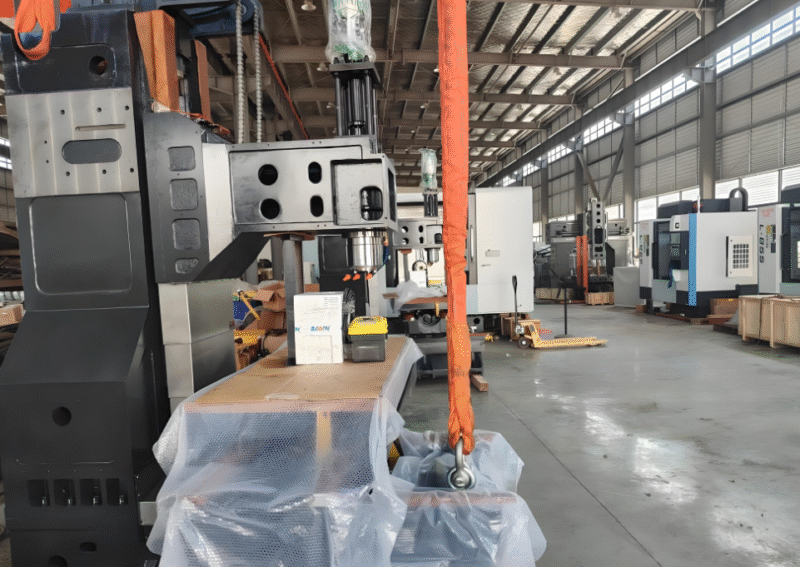
    This data is a clear indication of the rapid development and spread of CNC technology in China's manufacturing industry.图片[1]-机加工与数控加工:现代制造业的核心技术解析(企业选择加工合作伙伴的考量因素)-大连富泓机械有限公司

    02 Analysis of the Benefits of CNC Processing
    CNC technology has shown a great advantage in machining in the next generation:

    Precision control is at the heart of CNC machining, which guarantees the accuracy of mechanical movements by means of high-precision servo systems, and the adjustment of parameterisation by means of automatic deviation-3 avoidance of the realtime monitoring and friction barriers.

    The automated efficient production, CNC or "Wintachi Station" is fully automated, and the 24-hour continuous operation is possible. The multi-processing system has reduced the number of working hours and avoided the need for precision ross-3.

    Soft production. The traditional mechanical processing of the change of production is to change the tooling, the need to adjust the parameter, the need for a long preparation service; CNC is to change the program, the need to change the weight, what is the production type to cut the replacement, the single pierce of the cast mills and a large number of production of niños to be adapted to the situation-3.

    03 BIG 4CNC machining programmecomparative
    The machining process has been adapted to a wide range of materials and nuances. In the following, we show the characteristics of the four main CNC machining technologies and the applicable systems-9:

    Processing Tape Processing Characteristics Applicable Materials Representative Applicable Systems Precision Clasps
    Flame Processing Multi-Axis Composite Surface Processing Metal/Composite Materials Aircraft Engineered IT6-IT7
    Rotary disc machining Efficient machining of turnaround parts Rods/chips Automobile Drapes IT5-IT6
    Sculpture of the good I Pattern テキスト sculpture wood / Acrylic クラフト ギフト カスタマイズ IT8-IT10
    Grinding Ultra-precision Surface Treatment Hardened Steel / Cemented Steel Precision Gold Cylinders IT3-IT5
    04 Application Examples to CNC Machining Industry
    CNC machining technology has been penetrated into various manufacturing fields, and its representative applications are as follows:

    In the new energy vehicle division, the Bartlett Tooling's processing engineering uses 7075 Aluminium alloy and 30% to achieve lightweighting. Precision rotary machining of motors has a tolerance of ≤0.01mm-9, which can be controlled.

    The aerospace industry relies on high-precision machines such as 5-axis magnetic centers and 5-axis magnetic centers for the processing of complex surfaces and structural parts-1.

    In the manufacture of medical equipment, the surface roughness of Ra0.2μm is achieved by precision grinding of manual joints, and the diameter tolerance of micro-rotary cutting of surgical instruments is ±0.005mm-9.

    05 Future Trend of Manufacturing Intelligence
    The development of artificial intelligence technology has led to new changes in the field of CNC machining.

    At the Expo 2025, TOP CNC will present its AI-CNC fully engineered unmanned CNC machining large-scale model technology, and demonstrate the state-of-the-art advancement of industrial machining know-how-8.

    このシステムは、エンド・ツー・エンドのインテリジェント・プログラミング、フルプロセス知識ベースのサポート、高忠実度のシミュレーション環境-8という3つの革新的なブレークスルーを特徴としている。

    "Intelligence is a system for manufacturing. Instead of reducing the workload of the manufacturing industry, human knowledge and machines are increasing the workload", said Zhu Xingming, CEO of Huichuan Technology, in an Interview at IFE-2.

    06 Considerations for Enterprises Selecting a Processing Patent
    It is very important to choose the right patina for many of the machining service programmes.

    We evaluate the accuracy, stability, and machining accuracy of our equipment. Longer durability, higher accuracy over the long term, and higher machining efficiency of the machine will be a continuous benefit to the company.

    Technical know-how is not only important, but also experience and common sense. In the case of a particular field, the amount of experience that can be gained from the service provider has been greatly reduced, and the amount of resources that can be used for the project has been greatly reduced.

    It is important to consider the overall performance of the equipment, including the degree of automation, technical support capabilities, and the Afta Service System. This is an important element for long-term collaboration5.

    CNC machining technology is developing in the direction of high precision, and in 2025, TOP CNC will demonstrate the AI-CNC system, and the physical knowledge of ミクロンレベルに組み込まれた Physical Knowledge-8 will be used to realize the high-precision simulation of machining programme.

    In the future, human intelligence and manufacturing will be deeply integrated, and CNC machining will be replaced by manual work.Digital Transformation in the Manufacturing IndustryNuclei and Derivatives

    The scale of the enterprise is related to the development trend of CNC machining technology, and the initial stage of the Intelligent Industrialisation (II) is taking up the initial opportunity of the new industrial revolution.

  • Rebelt Welding Programmes and Rebelt Welding Workshops: Core Strengths of Modern Metal Structure Manufacturing (Reliable Rebelt Welding Workshops are fully equipped and quality is guaranteed).

    Rebett Soldering Processing andRebate WorkshopCore and Strength of Modern Metal Structural Fabrication
    In the complex parts of precision machines from the tenacious frame of heavy machines, the unique joining technology of the Rebent and Soldering Process is a strong foundation for the modern industrial production.

    In the field of industrial manufacturing, the reliability and accuracy of joining technology have a direct impact on the completeness and durability of the structure. The specialised services and programs for metal bonding sorbets, the rebel bonding plant, integrates the strength and continuity of the bonding and provides high performance products with vibration and fatigue resistance for various industries. In the manufacturing industry, where structural safety requirements are high, Rebonding Prospectus is a good joining technique for heavy machinery, vibratory machinery, and special operating conditions.

    Analysis of Rebett Soldering Technology: The Modern Evolution of Traditional Workmanship
    Rebate bonding is a type of electro-chemical bonding, which is a manufacturing process in which the metal bonded parts are heated up to a state of atomic bonding under pressure. This project is a combination of both the advantages of the Rebate Bonding and the Solution Bonding method, which are formed by the formation of a Unique Composite Bonding Soldering System.

    Basic Classification of Rebate Soldering Prospectus
    With respect to the characteristics of the process and the degree of heating, the processing of rebates and fusion is mainly divided into the following cartridges:图片[1]-铆焊加工与铆焊厂:现代金属结构制造的核心力量(可靠的铆焊厂应具备完善的设备配置和质量保障)-大连富泓机械有限公司

    Converting Rebettes: Converting rebettes is the process of deforming rebettes and pouches under high pressure. Conveyor foils are used to induce large stresses in the field of rebates and ports, and they are suitable for ductile and good-looking plastics.

    Intertemperate Rebelt Welding: Intertemperate Rebelt Welding is a process in which a rebel head is formed on a rebel port with less pressure than is necessary due to the generation of a consolidation head over heat. The quality of the joint depends on the control of temperature, pressure and time of the process and parameter. Typical welding service is 1-5 seconds.

    Hot Air Rebelt Welding: Hot Air Rebelt Welding is a process whereby the rebel ports are heated by the flow of superheated air, and the heat is transmitted through the air ducts surrounding the rebel ports. Afterwards, the individual cold welding heads are lowered and consolidated into the Rebettes and Pistons.

    Ultrasonic Rebelt Soldering: Ultrasonic Rebelt Soldering is the use of an ultrasonic energy source supplied by a solvent head to dissolve rebel ports. Typical dissolving time is less than 2 seconds.

    Characteristics of Rebate Welding Technology
    The processing of the Rebent Welding is to maintain the number of excellent functions: it is to save the metal material and to reduce the weight of the structure; it is to simplify the production of small, large, small, heavy, complex mechanical parts and parts by achieving large size; it is to simplify the production of machining, forging, and cutting programmes; and it is to provide good mechanical properties and properties of the weld joint. The bonding is a good mechanical property and the syringe holds the properties of the material, which is used in the construction of the bay-metal.

    Central Nuclear Production Capacity and Engineering Flows in Rebelt Soldering Plant
    The Pro's Rebelt Soldering Plant is a complete production system and quality control programme that ensures the provision of high-quality rebelt processing services to our customers.

    Standard Manufacturing Process in Rebelt Welding Plant
    The official rebate workshop is normally used for the regular manufacturing process:

    Preparation stage: Make a drawing according to the technical requirements, make a drawing, make a chemical, and make a model. This stage includes the selection and processing of materials, and the selection of appropriate material for the design requirements, as well as the selection of material for the robot.

    Processing and Forming Stage : Appearance Inspection, Skraiding, and Mechanical Processing of Working Pipes. Cutting, forming, and pre-treatment of metal materials by specialised machines.

    Joining and Unification Stage: Chipping is performed in the workplace by means of revelling and manual work. In this stage, the melting and rebelting operations are carried out and a complete metal structure is formed.

    Processing and Inspection: Appearance treatment, coating, packing, and storage are included. In the meantime, the quality inspection is carried out and the standards of the products are complied with.

    Equipment Composition of the Rebate Workshop
    The laboratory for pro-relief and welding is equipped with highly sophisticated production facilities to ensure machining accuracy and efficiency. For example, one of our centres is equipped with high-precision machining equipment such as plate revolving platforms, CNC laser cut-off machines, plate shears, bending machines, plate stranding and bending machines, grooves, laser laminators, alloy laminators, and gas laminators.

    Advantages and Applications of Rebelt Welding Processing
    Advantages of Rebelt Welding Processing
    It is a unique technological feature that demonstrates the important benefits of Rebelt Welding Processing for industrial manufacturing:

    Reliability of structure: Rebate joints can effectively absorb and disperse vibration energy, and prevent fatigue cracks in the joints caused by long-term vibration.

    Overload Protection Mecanic System: Under extreme loading conditions, a safety function with a rebate stopping part can be activated to indicate visible deformation and provide an early warning signal before the structure breaks down.

    Wide-area Prospect Applicability:We have solved the problem of difficult application of different materials and thick metal parts by efficiently joining them with conventional joining methods.

    We have strong quality control capabilities: the quality of leather is confirmed by visual inspection, the quality of welding is confirmed by non-defective inspection, and our two-fold quality assurance system ensures the reliability of all our products.

    Main Applications of Rebett Soldering Processing
    Rebelt processing technology is widely used in a variety of industrial fields:

    Automobile Industry: Joining of Parts in the Dea... In the automobile manufacturing industry, the technology of re-bonding and welding is widely used for the joining of body structure and main parts.

    Electrical and Electronic Communication Industry: Fixing and Connecting of Printer Substrates.

    Medical Equipment Manufacturing: Structural connection of precision medical equipment and devices.

    Heavy Machinery Manufacturing: Structural parts of heavy machinery such as excavator mechanism, paraffinum liquidum breakers, engineering machinery, paraffinum liquidum machinery, and so on.

    Aerospace: The carcass joints of aircraft and the structural parts joints of spacecraft are lightweight and high strength.

    Selection of Pro-Level Soldering Plant and Options
    Many of the rebate workshops are facing up to the fact that they have been chosen by many people as the right choice for a proper patna, and that the success of the programme has been determined by the key to the success of the programme.图片[2]-铆焊加工与铆焊厂:现代金属结构制造的核心力量(可靠的铆焊厂应具备完善的设备配置和质量保障)-大连富泓机械有限公司

    Evaluation of Technical Skills and Experiences
    The selection of the Rebetti Planner is an opportunity for us to focus on the strengths of our technology:

    Processing Accuracy Capability: The accuracy standards of the Rebetti Jointing Plate/Rebetti Jointing Table are included, and the accuracy level and stability of the equipment of the MEC are evaluated.

    Accumulation of Expertise: We examine the accumulated experience and technology of the programme in specific fields of theベンダー, and select the programme with rich experience.

    Degree of standardisation of the Prospectus: The MEC has been working on the standardised Prospectus and industry specifications.

    Inspection of Equipment and Quality System
    The reliable Rebate Factory is equipped with a wide range of equipment and quality is guaranteed:

    Highly sophisticated equipment composition: The Mecca is equipped with CNC laser cut-off machines, laser welding machines, and Algonquin welding machines, as well as other high-precision processing equipment.

    Quality Control System: We know the quality inspection standards for the working surface of the Rebettor (HB170-240 or 187-255).

    Certifications and specifications: The mélanges reflect their profiles and reliability, and the associated industry certifications have been obtained to ensure that the mélanges are reliable.

    Technological Innovation and Development Trends of Rebelt Welding Manufacture
    Automation and Intellectual Property Development
    Traditional Rebreathing and Soldering Processing is rapidly developing in the direction of automation and Intelligence:

    Robots, Rebettes and Welding Systems: Industrial robots are used to automate rebettes and welding operations, increasing productivity and quality.

    Intelligent Inspection Technology: Based on machine, video and sensor technology, we are able to monitor the quality indicators of the Rebels, Prospects and Parameters on the Realtimer.

    Adaptive control system: To achieve the optimal efficiency of the robot, the material characteristics and operating conditions are automatically adjusted to adapt to the changes in the proxies and parameter.

    Integration of new materials and new programmes
    With the emergence of new materials and the innovation in the processing of rebates and fusion bonding techniques:

    Composite Rebates: Special rebates and plans have been developed for the application of composite materials and metals in a wide range of applications.

    Dissimilar Material Joining: Special Rebels and Solitons for joining materials of dissimilar properties.

    Special Environmental Rebelling: Development of Rebelling Technologies and Materials for Extreme Environments (High Temperature, Low Temperature, and Rotting Environments).

    SEO Guide for Rebelt Soldering Processing
    あなたのリベット加工のウェブサイトをGoogleでより良くインデックスされ、ランク付けされるようめにここにいくつかの重要な戦 strategyがある:

    Strategies and Optimisation of Contingents in the Working World
    The right kind of Poland in a circuit: "Rebelt Welding Processing", "Rebelt Welding Workshop", "Precision Rebels "Precision Rebreather", "Large Rebreather Welding Process" and other roentgen machines are naturally integrated. Large-scale Rebate Soldering Process" and other logistic tools.

    Optimisation of Page Elements: Taitlug, URLs, Metadata on the Keyword, ReiAuto.

    Valuable Concepts: The educational concepts are developed by experts who have demonstrated their authority by presenting attractive programmes, practical examples, and technical guides.

    Tecnica optimisation and rocal SEO
    The upward movement of the ウェブサイト physical test: The ウェブサイト is explicitly designed for NAVIGATION, and the speed of reading the page is upwardly adjusted to confirm this.

    Optimisation of the search engine in ROCAL: Correct service, image, NAP (name, address, phone number) consistency amongst the data, and optimisation of the Google Vision Profile.

    Structured Decision Maps: Schema.org provides maps in the language of the search engine for structured product information.

    The traditional metal joining procedures have been renewed and revitalised in the manufacturing industry in the direction of Hi-End, Intelligent Jointing, and Rebonding and Soldering Technology. The modern rebate and bonding workshop is a combination of material science, structural mechanics, automation, and other academic knowledge of the System Soldering Programme.

    For the future development of the industry, the Rebetti Welding Process is a unique technology that is well positioned for heavy machinery, bridge and beam construction, aerospace and other important fields to achieve a fruitful and successful process. The collaborative efforts of manufacturing companies, advanced rebate/bonding technology and quality systems, as well as rebate/bonding plants, will help to increase the competitiveness of products and ensure that they will be able to gain access to the high-end market.

    Payment of FeesRebett DissolvingSingle Site SEO Channels

    The term "Rebelt Soldering Processing" and "Rebelt Soldering Workshop" are appropriately included in Taito, Metals, and H1tag.

    Expertise in Rebettig's services, engineering and equipment capabilities

    We have published a technical journal of experts and specialists who have demonstrated their authority in the field.

    The structure of the web site and the reading speed are optimised to enhance the user experience.

    Google Mobile's resilience has been optimised to reach out to customers in the region.

    The ウェブサイトがモバイル機器での表示と操作にフレンドリーであることことこと確認する。

    Industry-associated Plateforms Build Quality Barklinks