

When your project is in dire need of a reliable machining partner, "the best nearbyMechanical WorkshopWhich one is it?" has become the most pressing question. The internet is full of "rankings", but the real choice is much more than a simple list. This article aims to provide you with a practical, actionable and up-to-date 2026 selection guide, showing you how to identify truly professional and reliable local suppliers and avoid common pitfalls, just like the industry insiders do.
I. Rational view of "ranking": no absolute list, only matching standards
First of all, let's be clear: there are very few official or completely objective "ranking lists" in the machining industry. So-called rankings are mostly based on advertising investments, web activity or reviews of a limited sample. Your goal is not to find the "number one", but to find the partner that "best fits your needs". A small manufacturer specialising in precision medical devices may not be able to take on large structural steel parts, and vice versa.
II. Five-dimensional assessment method: core screening criteria for professional buyers![图片[1]-附近机械加工厂家排名榜 – 2026年最新选择指南与避坑建议-大连富泓机械有限公司](https://cndlfh.com/wp-content/uploads/2025/12/QQ20251102-193724.png)
Forget fuzzy rankings and systematically evaluate potential vendors in the following five dimensions:
1. Inventory of core technical capacity and equipment (hard-core inspection)
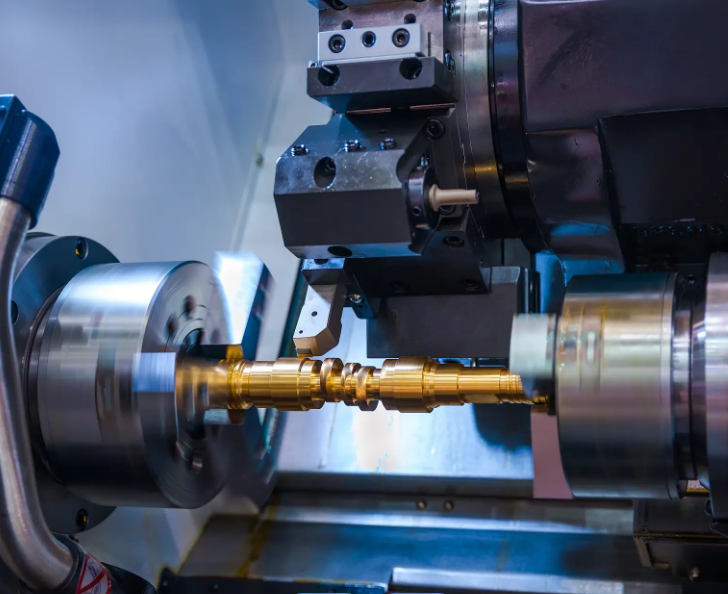
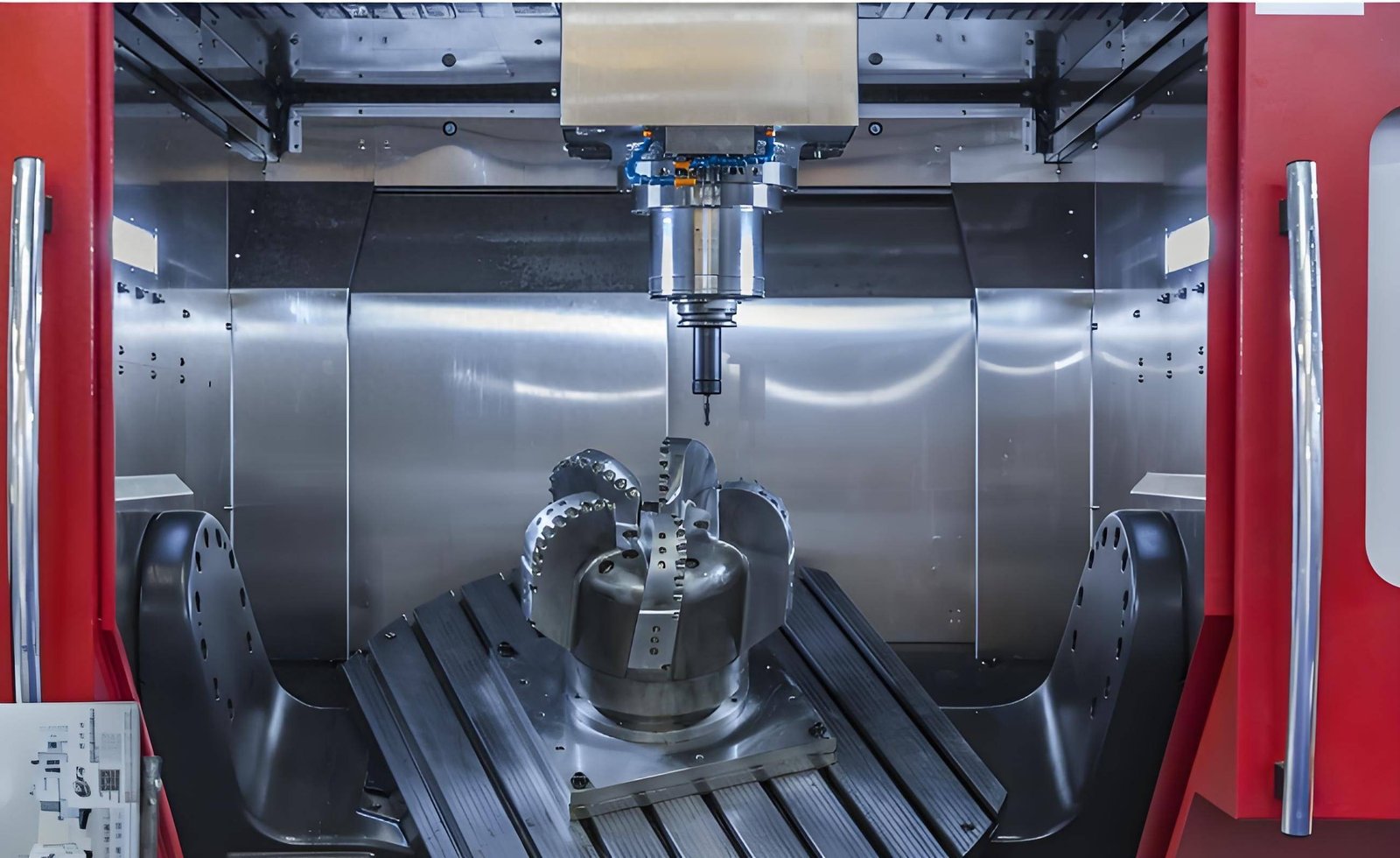
Equipment sophistication: Ask to see their equipment list. Focus on the CNC brand (e.g. DMG MORI, MAZAK, Haas, etc.), the machining range (maximum stroke), and the availability of high-level equipment such as 5-axis machining centres and mill-turn machines. This directly determines the complexity and upper limit of accuracy of the parts they can handle.
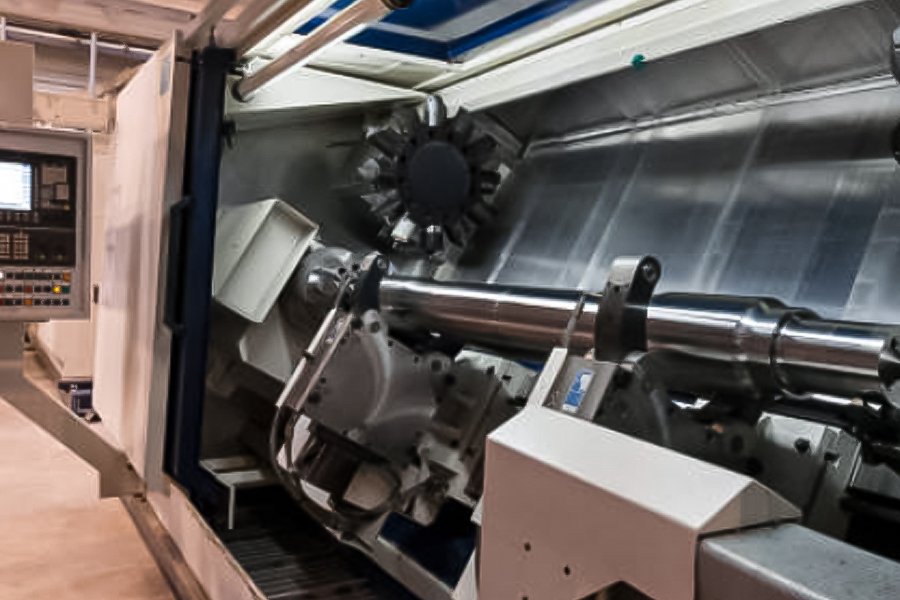
Process coverage: In addition to CNC, do you have complete supporting capabilities for turning, milling, grinding, wire EDM, heat treatment, surface treatment, etc.? One-stop service can greatly shorten your supply chain cycle.
Measurement and QC Capability: Do you have high-precision inspection equipment such as Coordinate Measuring Machine (CMM), Quadratic Imager, Roughness Meter, etc.? This is the key evidence of whether the quality commitment can be put into practice.
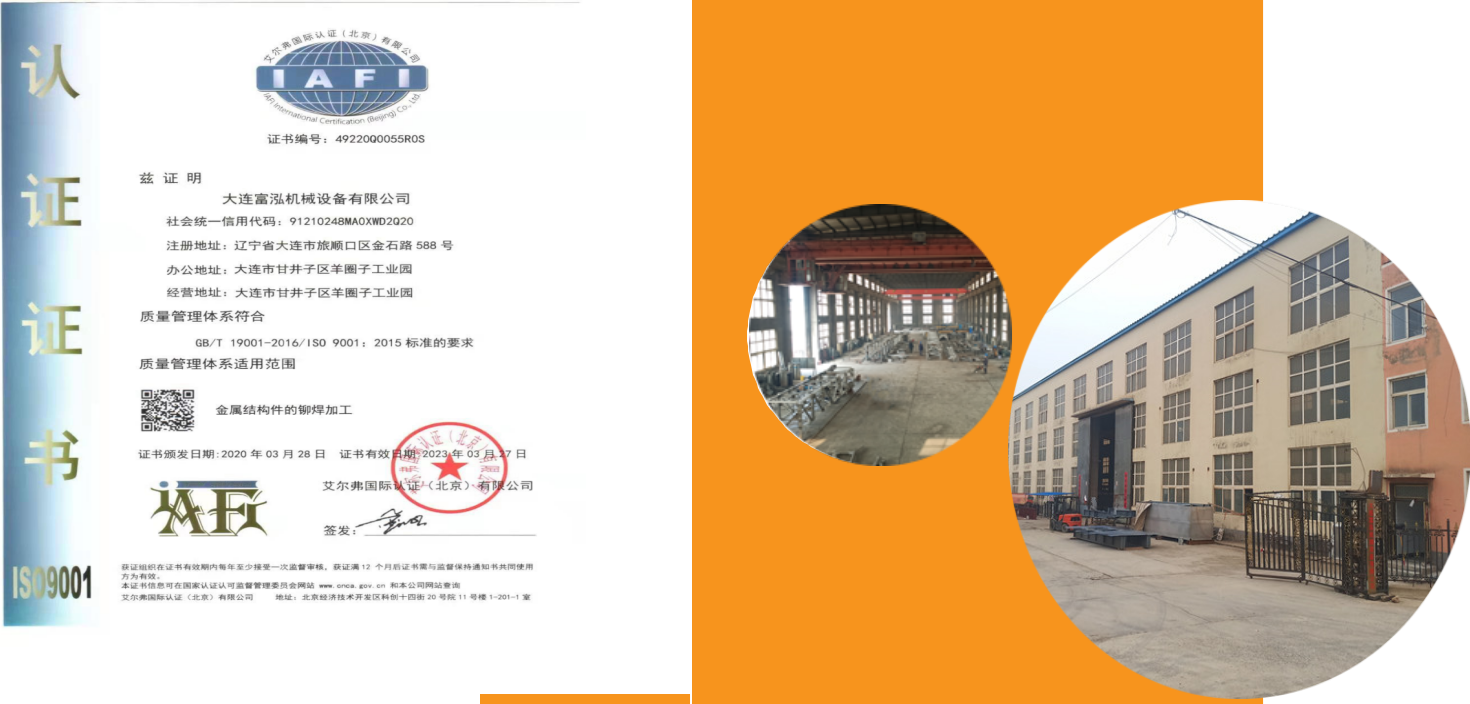
2. Quality control systems and industry certification (credibility endorsement)
System certification: ISO 9001 certification of the quality management system is the basic threshold. If serving the automotive (IATF 16949), aerospace (AS9100) or medical industries, the corresponding special certification is essential.
Process Control: Ask about their quality control process. Do they perform First Article Inspection (FAI)? Is there a comprehensive inspection report (IPQC/IQC)? How are critical dimensions monitored in the process?
Technical team: Are there professional process engineers and programmers? Their experience directly affects machining efficiency and cost.
3. Industry experience and success stories (match verification)![图片[2]-附近机械加工厂家排名榜 – 2026年最新选择指南与避坑建议-大连富泓机械有限公司](https://cndlfh.com/wp-content/uploads/2025/12/QQ20251102-193551.png)
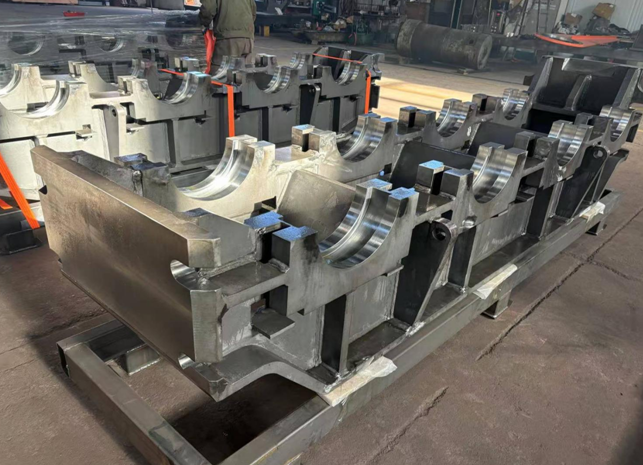
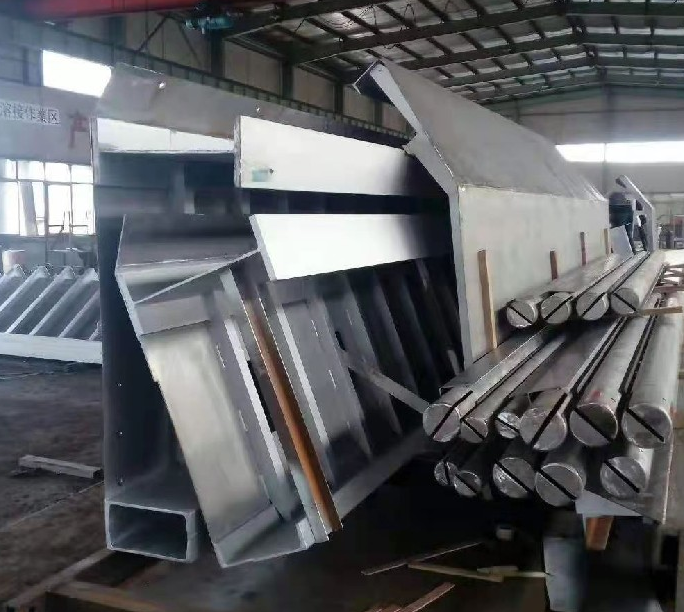
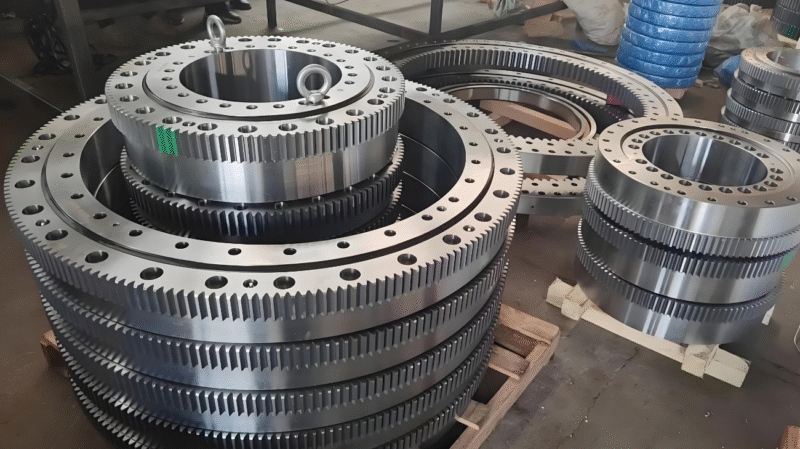
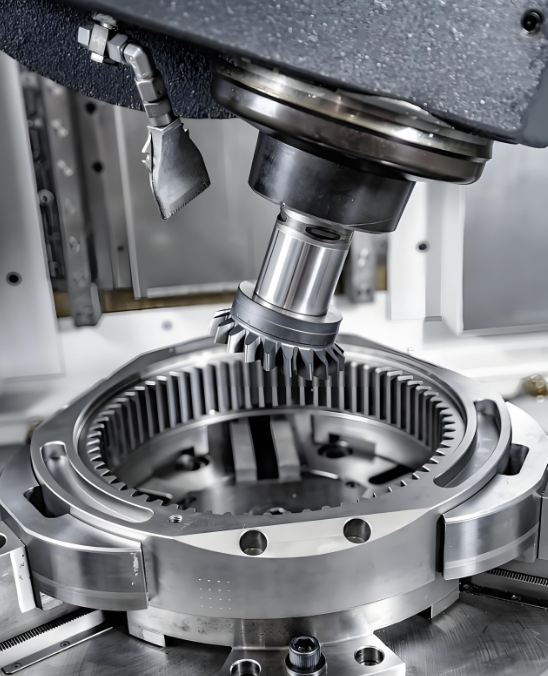
Case Studies: Ask to see photos or videos of their past work, preferably in a similar product or industry to yours. The level of complexity and precision of the cases is more persuasive than the number.
Client Testimonials: Look for testimonials from customers they have worked with for a long time, especially feedback on communication, problem solving, and delivery reliability.
Trial capacity: For important projects, it is possible to offer to pay for a small trial run, which is the most direct way of checking their capacity.
4. Communication responsiveness and service-mindedness (key to soft power)
Speed of response: Is the response to your initial enquiry professional and timely? Can they make insightful process or design optimisation (DFM) suggestions for your drawings?
Transparency in quoting: Does the quotation contain only a total price, or does it clearly list the breakdown of material costs, machining hours, tool sharing, surface treatment costs, etc.? Transparent quotes show professionalism and integrity.
Project Management: Is there a dedicated project counterpart? Can you provide clear project timelines (e.g., programming, material preparation, machining, quality control, shipping)?
5. Geographic location and capacity flexibility (practical considerations)
The real value of "nearby": geographic proximity facilitates face-to-face technical communication, emergency sample delivery, and rapid problem solving, which is especially valuable during the development phase.
Capacity Match: Evaluate whether their current order load matches your demand volume. A small workshop may not be able to meet your high-volume needs, while a large factory may have little interest in small prototype orders.
III. Guidelines for efficient sourcing and fieldwork operations
Online search: Use "precision machining + your city", "CNC machining + industry (e.g. automotive/medical)" and other combinations of keywords in Google, B2B platform search. Focus on browsing their official websites to see whether they are professional and whether the cases are detailed.
Initial screening: Based on the above five-dimensional criteria, 3-5 interested manufacturers are screened.
Initiate RFQ: Prepare a clear RFQ package including: detailed 3D drawings and 2D engineering drawings (PDF/DWG), material requirements, quantities, finishes, special criteria. Send it to candidate manufacturers to compare their response and professionalism.
Site visit (highly recommended): For core suppliers, make sure to arrange a site visit. Observe whether the workshop is neat and orderly (5S management), the maintenance status of equipment, the working appearance of employees, and the management level of work-in-progress. Workshop environment is the most intuitive reflection of the management level.
IV. Four key points of "pit avoidance" that we must be vigilant about in 2026
The "low price trap": offers that are far below market rates are often compensated for by cutting corners (e.g., using inferior materials), sacrificing precision, subsequent mark-ups, or poor service. "Cheapest" usually means "highest total cost".
The "Jack of all trades" trap: Factories that claim to "do it all" often lack depth. Manufacturers that specialise in a particular process or industry usually have a technological and experience advantage.
The "vague communication" trap: Suppliers who are vague about technical requirements and unwilling to confirm details in writing are extremely risky. All key requirements (tolerances, material certificates, inspection criteria) must be on paper or in a contract.
The "lack of data" trap: manufacturers who cannot provide a list of equipment, test reports or evidence of past cases, their ability to describe the need to be greatly reduced.
Conclusion
Choosing a machining manufacturer is a strategic partnership based on a professional assessment. In 2026, the competition in the manufacturing industry is becoming more sophisticated, and your partner must have both hard and soft power. By abandoning the pursuit of illusory "rankings", applying scientific evaluation methods, and taking the time to conduct in-depth investigations and communications, you can find a local manufacturing partner that you can trust to help your project succeed. A professional start is half the battle. When you are ready with detailed drawings and requirements, we are ready to visit you and provide you with a proven solution with our equipment list, case study library and transparent process.
 Chinese
  Japanese
  English
  German
  Finnish
No comments