

When you receive a machining quotation, have you ever been puzzled: how is this price arrived at? Why can the price of two parts that look similar be several times different? Transparent and reasonable quotation is the basis of trust and cooperation. This article will completely open the machining quote "black box", detailed analysis of its cost model, and systematic combing of the final price of the top ten key factors, so that you from the "passive recipients" to "active evaluator! "Even at the design stage, you can effectively control the cost.
Introduction: Quotations are not magic, they are fine calculations
Machining quotes are not arbitrary estimates, but are based on sophisticated calculations of resource consumption (time, materials) and process complexity. The core formula can be simplified as follows:
Total part price = Material cost + Machining cost (man hours) + Outsourced processing costs + Management fee and profit.
Of these, processing costs are the largest variable and are the focus of this paper's analysis.
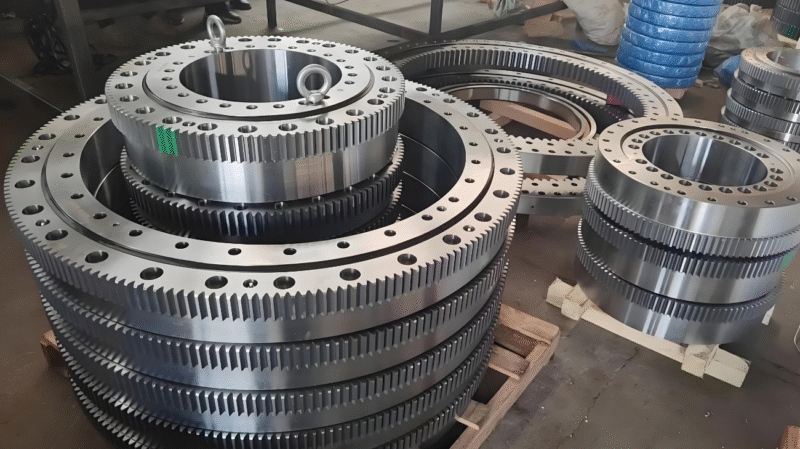
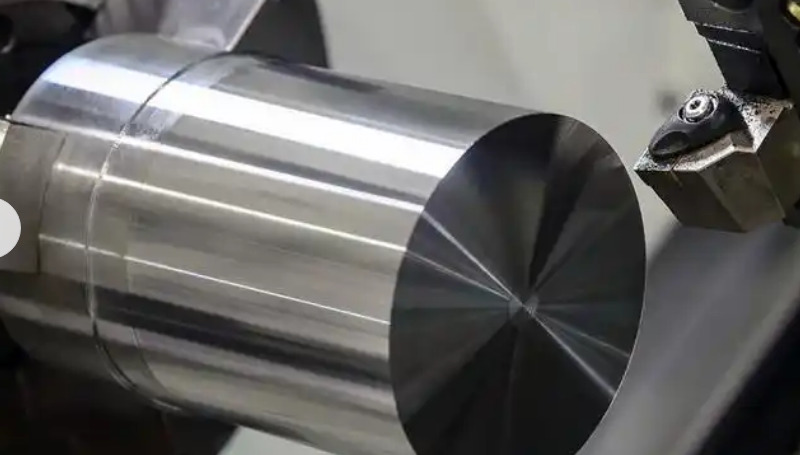
Part 1: The four core cost components of a quote![图片[1]-機械加工の見積もりはどのように計算されるのか?部品加工価格に影響を与える要因トップ10-大連富泓機械有限公司](https://jpdlfh.com/wp-content/uploads/2025/12/QQ20251102-193816.png)
Cost of materials:
Calculation: (net weight of part + processing losses) x unit price of material.
Key point: Material utilisation is critical. Cutting a part from a standard-sized sheet or bar, the remaining "trim" cannot be credited to the next part at its original cost. Complex or fragmented nesting can lead to low utilisation and cost spikes. Supplier sourcing channels and inventory can also affect unit prices.
processing cost(labour hourly rate):
This is the core of the offer and the technical content. The formula for calculation is:
Processing cost = preparation time x rate + processing time x rate
Preparation time (one-off): Includes time for process planning, CAM programming, machine set-up, making simple fixtures and fittings, and first-piece commissioning and inspection. This cost is particularly significant for low-volume, multi-variety orders when it is spread over a single piece.
Machining Time: The time the machine actually runs to cut. Calculated by CAM software based on accurate simulation of tool paths, or estimated based on experience. The hourly rate of a machine depends on its value (5-axis rate > 3-axis rate), depreciation, energy consumption and plant costs.
Outsourced processing fees:
After the parts are processed, if heat treatment (quenching, tempering), surface treatment (anodising, plating, painting, sandblasting), special processing (wire-cutting, EDM), etc. are required, this part will be completed by the supplier's outsourcing or own department, and the cost will be listed separately.
Overheads, profits and packaging and transport:
Covers project management, quality control, business operating costs and reasonable profit. Formal quotations will clearly reflect this or include it in the labour hourly rate. Packaging and logistics costs are usually charged separately.
Part II: Ten key factors affecting the price of parts machining (from most important to least important)
Factor 1: Part complexity and number of features (determining factor)
This is the most significant factor affecting machining time. A part covered with deep cavities, thin walls, complex surfaces, and tiny hole systems, compared to a simple square:
Longer and more complex tool paths.
More tool changes are required (different tools machining different features).
Multi-face clamping or even multi-axis machining may be required.
Programming and debugging time increases exponentially.
Increases processing risk and may result in additional costs.
Factor 2: Dimensional accuracy and geometric tolerance requirements
The tighter the tolerances, the higher the price. An increase from ±0.1mm to ±0.025mm could mean:
More sophisticated machine tools are needed.
A slower finishing feed rate is required.
Additional finishing processes need to be added (e.g. rough milling followed by finish milling, or milling followed by grinding).
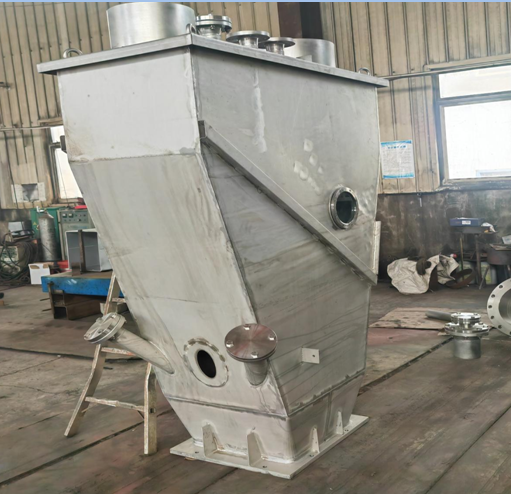
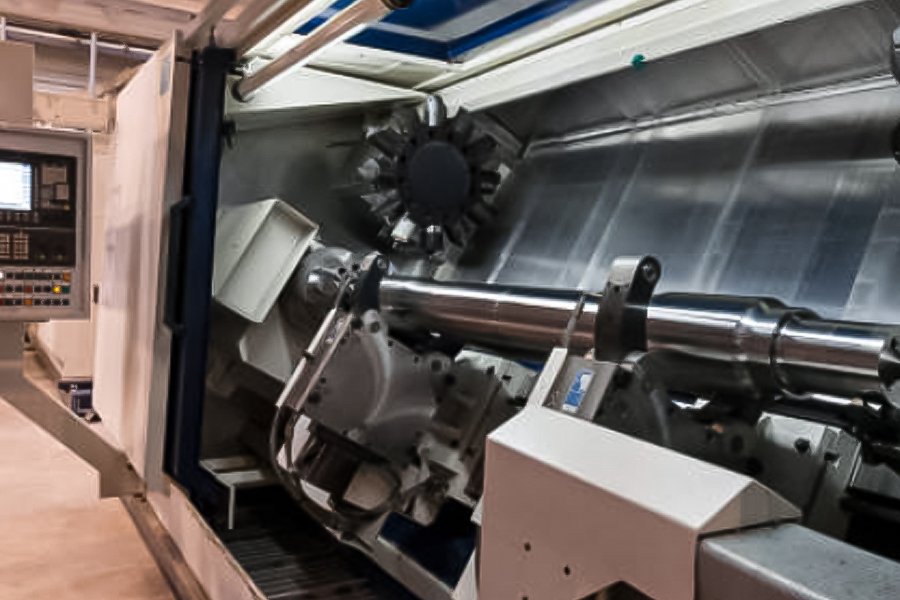
Requires more expensive testing equipment and longer testing times.![图片[2]-機械加工の見積もりはどのように計算されるのか?部品加工価格に影響を与える要因トップ10-大連富泓機械有限公司](https://jpdlfh.com/wp-content/uploads/2025/11/QQ20251102-193830-800x489.png)
Factor 3: Surface finish requirements
Requirement of Ra 1.6μm vs Ra 0.4μm, huge cost difference. High finish requirement:
Replacement of specialised finishing tools may be required.
The feed rate must be reduced and the machining time extended.
Separate processes such as polishing may need to be added.
Factor IV: Number of orders (batch effect)
This is the key to the cost per piece. Producing 100 pieces versus producing 1 piece:
Programming and preparation time is dramatically diluted.
Toolpaths and fixtures can be optimised for more efficient batch machining.
Materials can be purchased in large quantities, reducing costs.
The learning curve effect makes subsequent processing faster and faster.
Factor 5: Selection of raw materials
Material unit price: aluminium alloy, common steel, stainless steel, titanium alloy, PEEK plastic, the price difference can be tens of times.
Machinability: Machining titanium alloys can take 2-3 times as long as machining aluminium alloys because lower cutting parameters, more wear-resistant tools and higher power consumption are required.
Factor 6: Part Size and Weight
Directly affects the cost of materials.
Larger, more expensive machine tools are needed to accommodate them.
Large workpieces are more difficult and time-consuming to clamp and lift.
May exceed standard machine travel and require special equipment.
Factor 7: Need for Workholding Fixtures
Parts that can be clamped in a simple vise or platen at low cost.
The need to design and produce special fixtures (e.g., for shaped parts) will result in a one-time tooling charge.
Multi-face machining requires multiple reclamps, increasing time and risk of error.
Factor 8: Post-treatment and special process requirements
Anodising, hard oxidising, electroplating, laser marking, etc., charged according to the area or complexity of the process.
Speciality processes (e.g. magnetic grinding, ultrasonic cleaning) also add to the cost.
Factor 9: Supplier's level of operation and geography
Equipment sophistication: It may be cheaper to use a highly efficient 5-axis machine than to use a 3-axis machine to machine complex parts in multiple clampings.
Process experience: Experienced engineers are able to plan better and less time-consuming process routes.
Geographic manpower and operating costs: There are significant variations by region.
Factor 10: Delivery time urgency
Standard delivery prices are normal.
Expedited orders may be subject to additional charges because it disrupts the normal production schedule and may need to be prioritised or scheduled for overtime.
Part 3: How to get reasonable quotes and optimise costs? --Tips for Purchasers and Designers
Provide clear and complete technical information: A standard 3D model (STEP/IGS) and 2D drawings with tolerances (PDF/DWG) are the basis. Vague requirements will inevitably lead to inflated quotations (in order to cover risks) or disputes at a later stage.
Conduct Early Supplier Involvement (ESI) and DFM analysis: Send designs to experienced fabricators for review before finalisation. Their design for manufacturability recommendations can often lead to significant process simplification and cost reductions.
For example: add a small rounded corner to avoid stress concentration in the sharp corner and facilitate tool machining; unify the hole diameter to reduce the number of tool changes; relax the tolerance of non-matching surfaces.
Seek a transparent breakdown of the quote: Ask if the quote can provide an approximate percentage of the cost components (% of material, % of processing, % of outsourcing, etc.). This will help you judge the reasonableness of the price.
Consider jobbing: If you have a variety of small parts, ask if you can "job shop" or "job shop" and share material sheets and machine setup time, which can dramatically reduce unit costs.
Balance quality and cost: Define the end use of the part. A functional prototype for internal testing can have different accuracy and surface requirements, and should cost differently, than a part for the final product.
Conclusion: A win-win situation built on understanding
Machining quotation is a comprehensive art that combines materials science, process engineering and resource management. Understanding the logic behind it and the top ten influencing factors will not only enable you to read and understand the quotation, but also make you a cost control leader from the source of product design. The most successful co-operation comes from the customer's respect for the logic of manufacturing and the supplier's professional pursuit of the optimal solution to value.
The next time you receive a quote, it is worthwhile to review each of these ten factors against each other. For any quotation, we promise to provide a clear explanation of the cost components and professional design optimisation suggestions, because we believe that transparent cost starts with professional design, and successful long-term cooperation starts with a deep understanding of each other. Welcome to hand over your design challenges to us, and let's work together to find the best balance between quality, efficiency and cost!

 Chinese
  Japanese
  English
  German
  Finnish
No comments