

the real side (of a problem etc)ManufacturingThis paper explores the role of climate change and policy guidelines in the development of heavy industry as a possible way forward for the sustainable future of the industry. This paper explores the role of climate change, recycling models, policy guidelines and other aspects of heavy industry in a possible and sustainable future.
This article: The world is concerned about climate change and environmental protection, and the heavy industry, which is a major consumer of energy and discharged materials, is facing up to the problem. In addition to the issues and challenges that exist in the neighbourhood, the Green Revolution has been a source of innovation and growth for the heavy industry centre.
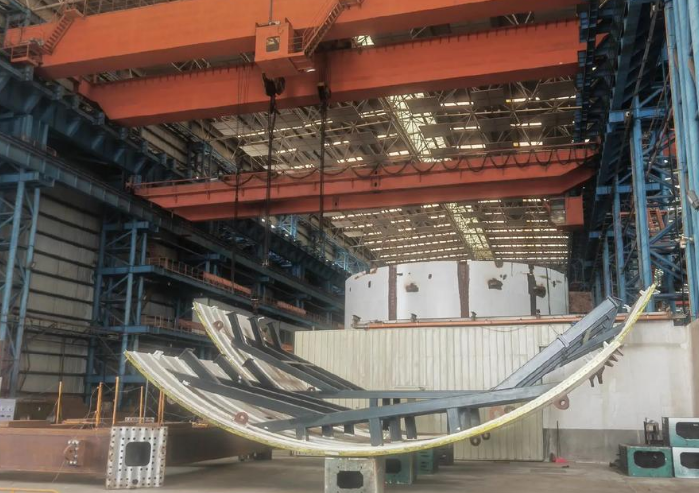
1. Issues of CNC Nuclear Power: The production process in the iron and steel, cement, and chemical industries has resulted in the combustion of large quantities of fossil fuels and chemical reactions, which is the main cause of CO2 emissions. Resource-intensive: Natural resources such as paraffinum liquidum, charcoal, and water are greatly depended on. Waste and pollution prevention: Treatment of wastes, wastewater, and waste gas is often a difficult problem for industries.![图片[1]-可持续发展下的重工业:挑战、机遇与创新解决方案-大连富泓机械有限公司](https://cndlfh.com/wp-content/uploads/2025/11/QQ20251002-201008.png)
2. Turning to a Circular Economy Model "Take it, make it, and throw it away" and other straight-line economic models are possible, and will continue to be possible. Heavy industry is actively pursuing the path to a recycling-based economy. Material Innovation: Research and development on the use of possible materials for resilience, and materials for bio-vegetables. Industrial Symbiosis: The by-products (waste heat, blast furnace gas, etc.) from a plant will be utilised as raw materials and energy at other plants, and resources will be shared to form an Ecological Indastrial Park. Management of the raw materials of products: Design stage, disassembly, reassembly, and remanufacturing possibilities are taken into consideration.
3. Application of Clarification Technology: The use of hydrates for iron making: The use of hydrates as reductants and substitutes for charcoal, the use of by-products and the use of water, and the fundamental elimination of carbon from the iron making process are all necessary. Carbon recovery, utilisation and storage (CCUS): As mentioned above, CCUS technology is a possible option for decarbonisation of existing facilities. Electrification: To replace fossil fuels with electricity and to utilise renewable energy sources where possible.
4. Policies and Markets are the Driving Forces Carbon tax policies, green financial support, and consumer preference for low carbon products by "Green Styles" in various countries around the world have created strong external driving forces for the green transformation of the heavy industry. Offer: Impact of Continuous Possible Development on Heavy IndustryManufacturingThe point of social responsibility is to change the way in which we operate in the marketplace. Social responsibility is one of the core elements of a strategy to ensure the survival and competitiveness of businesses. Innovative green and solar panels are used early, and companies that invest in them are in an absolute advantageous position in the marketplace today.
 Chinese
  Japanese
  English
  German
  Finnish
No comments