

SearchManufacturingTechnological innovation and Green Inishiachabe have led to the modernisation and transformation of the world's economy. In the context of the world economy and the future transition, we will understand the importance of Japan's contribution and provide insights into what it means to contribute to the decision-making process in terms of business.
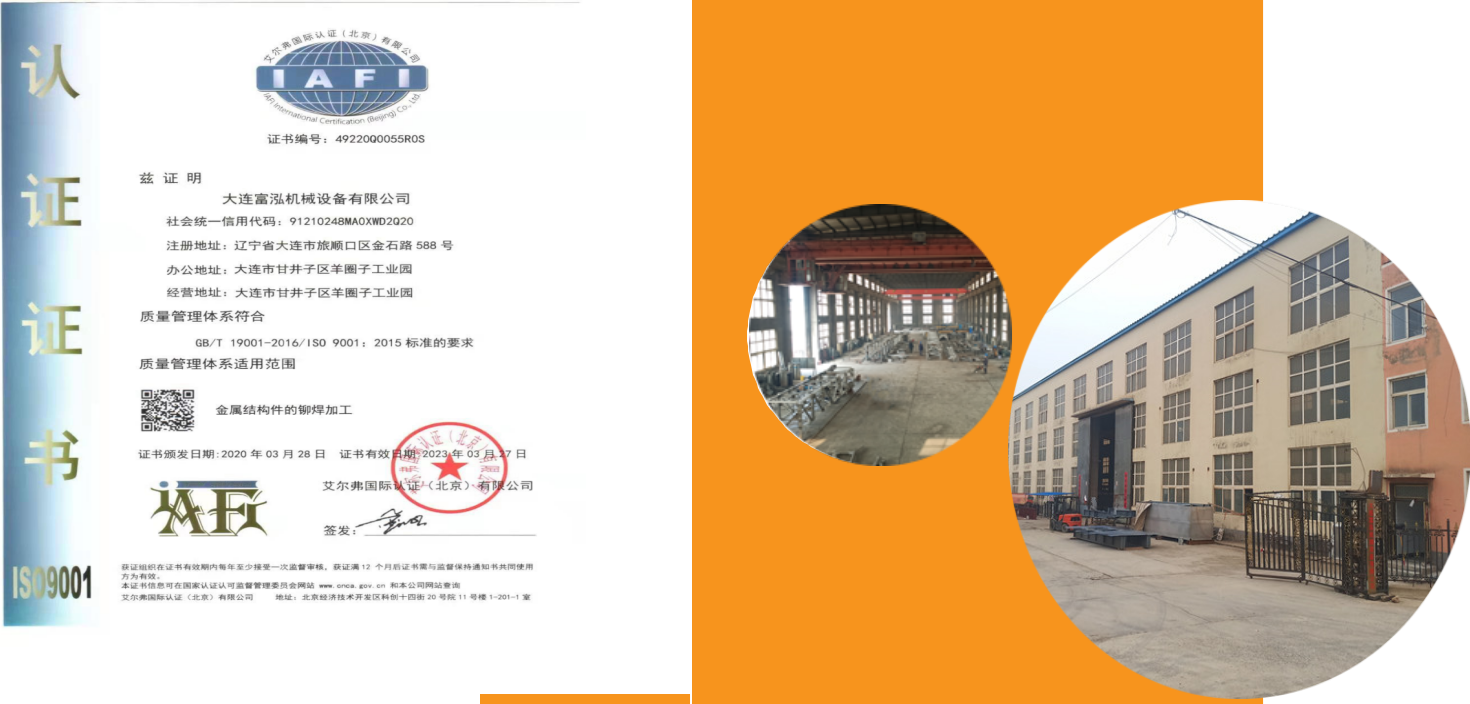
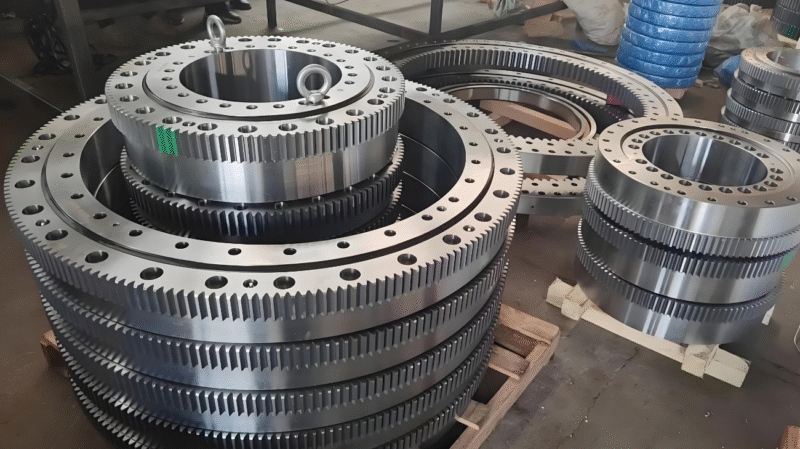
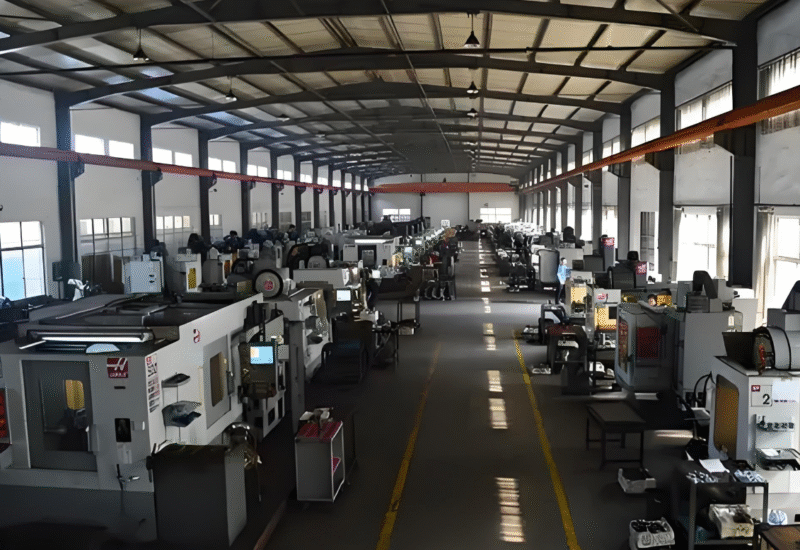
Journalist article: In today's global economy, the heavy industry, which is a key part of the country's economic power, is a major modernisation attempt. The concepts of 'mowa', 'iron and steel', 'machinery', 'paraffinum liquidum', 'otome', 'intranet', and 'continuity' are all advanced divisions that have been incorporated into the concept of continuity.![图片[1]-重工业的现代化转型:驱动全球经济与可持续发展的核心引擎-大连富泓机械有限公司](https://cndlfh.com/wp-content/uploads/2025/11/QQ20251002-201725.png)
1. Heavy industry: the backbone of the national economy Heavy industry includes basic industries such as coal, oil, iron and steel, non-iron metals, and machinery manufacturing. The industry provides indispensable raw materials and production equipment for the construction of infrastructure, national defence and military industries, and its development is directly related to the degree of industrialisation and economic security of the country.
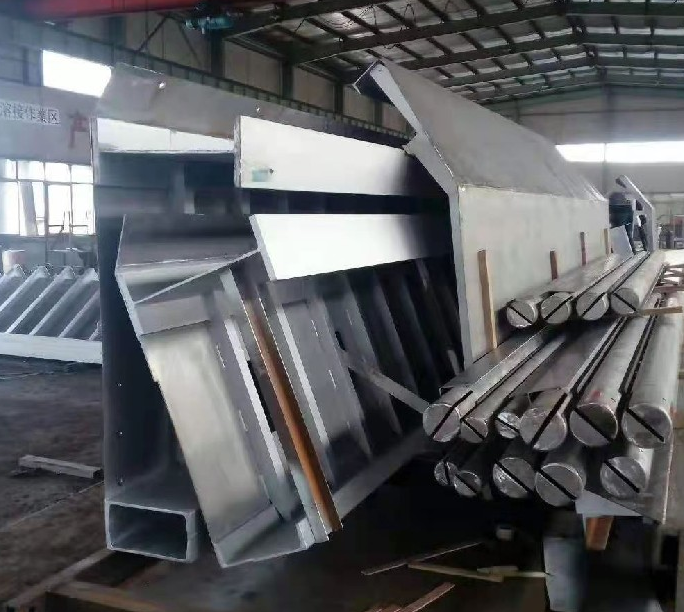
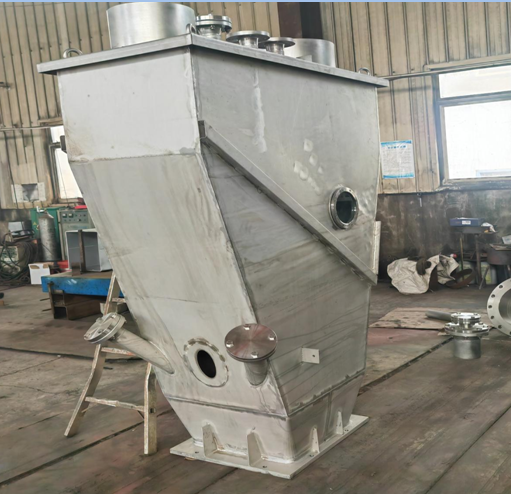
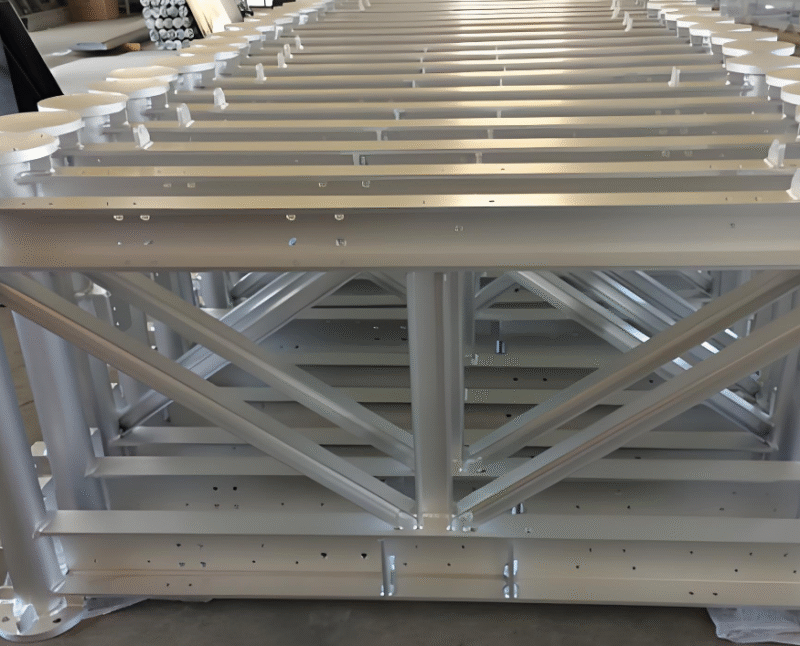
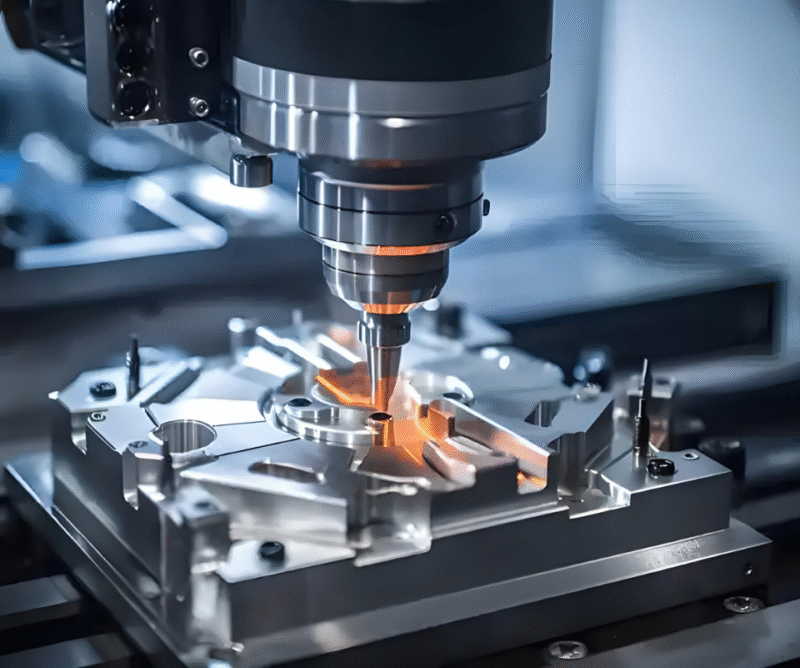
2. Technology-driven modernisation and change The traditional heavy industry has a fixed view of pollution as a result of the concentration of energy sources, and this view has collapsed. The core of modern heavy industry is technological innovation. Automation and robotisation: production labs, welding, injection, and other high-precision engineering are being replaced by robotisation, and manually, efficiency and safety are being improved. IoT (Industrial Internet of Things): センサーやビッグデータ分析を通じて、設備の働狀況をリアルタイムで監視し、予識保全を行うことで、ダウンタイムを最小限に抑える。 Digital: Physical realities are mapped in space, production plans are simulated, tested and optimised, and potential problems are solved before production is started.![图片[2]-重工业的现代化转型:驱动全球经济与可持续发展的核心引擎-大连富泓机械有限公司](https://cndlfh.com/wp-content/uploads/2025/11/QQ20251002-201347-800x459.png)
3. In order to face the world's climate change and other issues, the heavy industry is actively pursuing the migration to the Green manufacturing industry. These include the following: Improvement of energy efficiency: Adoption of efficient furnaces and motors, and the use of 廃heat and 廃圧results from the production process. Cyclical economic model: Promote the use of iron scraps and non-iron metal resources, and reduce the dependency on Bahraini resources. The application of carbon recovery and storage (CCS) technology: the recovery of carbon dioxide from discharged sources, its isolation and reuse are important tools for achieving the goal of heavy industry in the Cabernet Negotiation and Storage (CNS) industry.
4. Future Prospects The future of heavy industry will be one that is both smart and service orientated, as well as environmentally friendly. The "production sector" is a comprehensive industrial ecosystem that integrates manufacturing, technical services, and data valuation. Conclusion: The modernisation of the heavy industry is a necessary step towards the migration of the world economy to a higher level of stability. With the new technology and the continuous and possible development of the concept, the traditional industries are blowing up with the new information, and the world is moving forward as a nuclear empire in the future.
 Chinese
  Japanese
  English
  German
  Finnish
No comments