

Total AnalysisProcess Engineering and Mechanical Processing EngineeringThis journal is a must-have guide for understanding the modern manufacturing industry! It is a must-have guide to understand the entire engineering of mechanical machining, including drawing analysis, engineering design, rotary disc machining, flute machining, cavity machining, machining, and other specific projects in the modern world. Machining is the basis of mechanical engineering, in which unprocessed metals and non-metallic bronzes are shaped into parts by a series of organisational and technological operations to produce precision drawings of the essential parts. The systematic "engineering process" and the specific "machining process" are understood to be indispensable for the optimisation of production and for the management of the quality of the products. This note is a thorough insight into the core of Monozukuri from Anata's in-house educational manicure.
I. Concepts of Core and Nucleus: Engineering Flow vs. Processing Engineering Engineering Flow: The makro path and continuous configuration of parts processing. It is defined as "what to do first and what to do second", and is a strategic picture of the entire production activity. Prospectus: This is a plan for the cut-off action and shape change of each project in the Mikroベル. We also provide solutions to the problems of "Doing it right" and other issues.![图片[1]-机加工的工艺流程和加工过程详解:从毛坯到精件的制造之旅-大连富泓机械有限公司](https://cndlfh.com/wp-content/uploads/2025/11/QQ20251102-193919-800x455.png)
Secondly, the complete mechanical processing of the program (micro-process) The creation of standard parts is usually based on the following 8 steps: Analysis and digestion of drawings: dimensional tolerances, shape and positional tolerances, surface roughness, material and heat treatment elements are included, and technical elements of the drawing of the part are included and understood. Engineering Inspection and Blank Selection: Evaluate the drawings on the appropriateness of the engineering and determine the shape of the blanks (fabricated products, forgings, and profiles). Engineering development: This is a nuclear and planning process. The order of processing is decided. For example, "face first, hole second," "waste first, throw first," "data first," and so on. Engineering design: Selection of equipment, jigs, tools, and guides for each process, and determination of cutting parameter (speed, feed, and cutting). CNC programme (necessary occasion): CNC machine's processing programme preparation. Production preparation: Preparation of production materials as described above. Processing and Engineering Inspection: We will perform processing, self-inspection, and mutual inspection by using an oprator or an engineering book. Final inspection and storage: The quality inspector will measure the finished product and store it after passing the inspection.
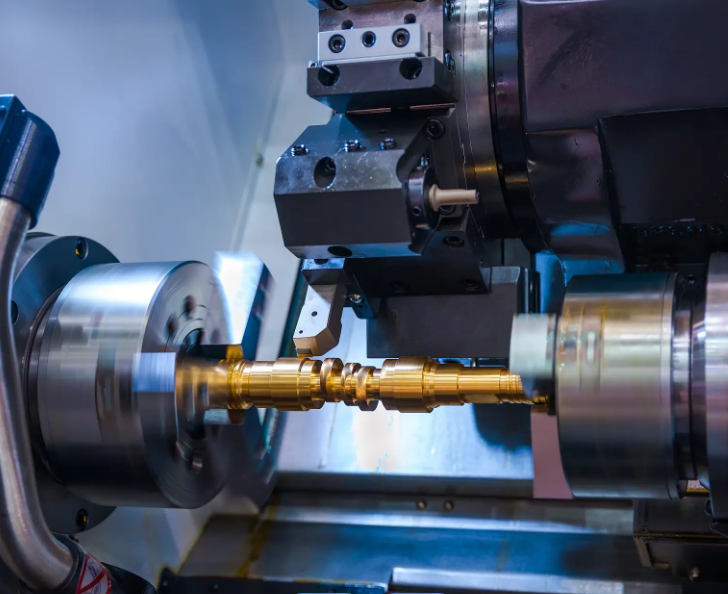
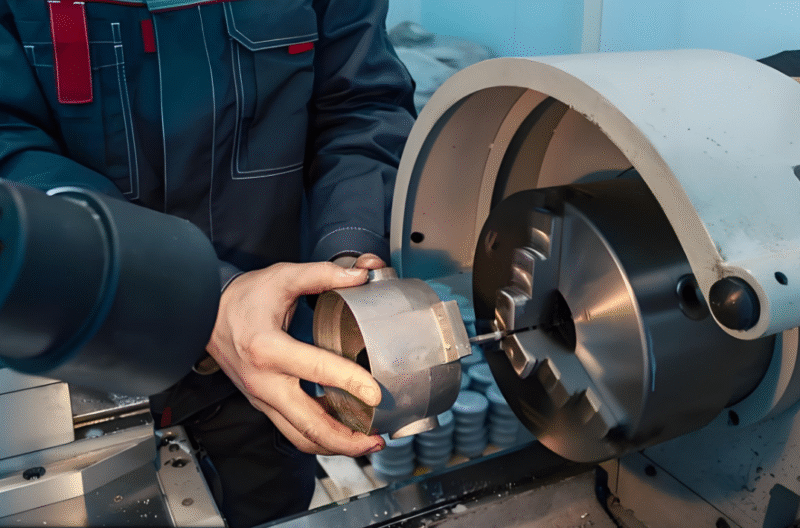
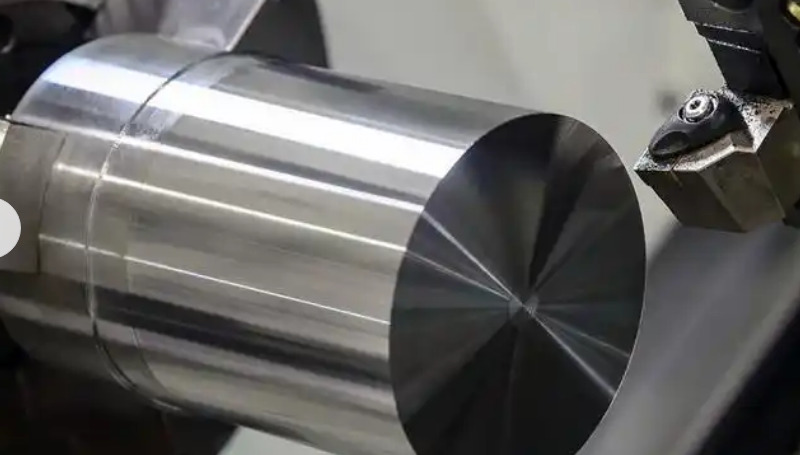
Thirdly, the general machining plan (maikoro operation) contains the typical machining method of the main sub-tap, and the plan for the specific linke: rotary cutting: turning of the workpiece, movement of the tool. It is used for machining of main rotating parts (seat, deck, seat, etc.), outer circumference, inner diameter, end face, nigashan, and other special features. Flat machining: The tool is turned and the workpiece is moved. It is suitable for machining flat surfaces, grooves, complex cavities and curved surfaces. The most widely used machining method is hitto. Drilling and Revolving Machining: Drilling is used for cavity machining, while revolving machining is used for enlarging and improving existing cavities to achieve high accuracy in diameter and position. Grinding: The use of a spar on the top of the machine results in a very high degree of accuracy and surface roughness. WEDM and EDM: Special processing methods for high hardness materials and complex gold types.
The fourth is to develop the optimal programme. The optimal programme is based on quality, efficiency and cost effectiveness. Importantly, the principle of uniformity of benchmarks is also important. If we use the same base point, we can finish the project in the same location. Reducing the number of clamps: Multiple surfaces can be processed in one clamp by using compound tools and 5-axis machines. Rational Configuration of Heat Treatment: The processes of annealing, annealing in, and annealing back are configured to suit the material, and the internal stresses are eliminated to ensure the material characteristics.
Conclusion The machining process and the smoothness of the process are fundamental to ensure the quality of the product and the production efficiency. We are a company that evaluates the expertise of its machining centres, and we are a company that has a need for external machining, as well as a company that is a specialist in machining, and we are committed to the development and manufacture of comics and graphics. If it is necessary to use this part of the machine, it is a new issue to manage it efficiently. The Machining Application and Mechanical Processing Workshop Design is designed to solve the problem of this Petion Port.

 Chinese
  Japanese
  English
  German
  Finnish
No comments